


Slitting Line Scrap Reduction Loss Matrix
A narrow slitting scrap reduction support matrix focused on setup strips, edge trim, knife clearance, tension, recoiling, first-piece checks, and yield records.
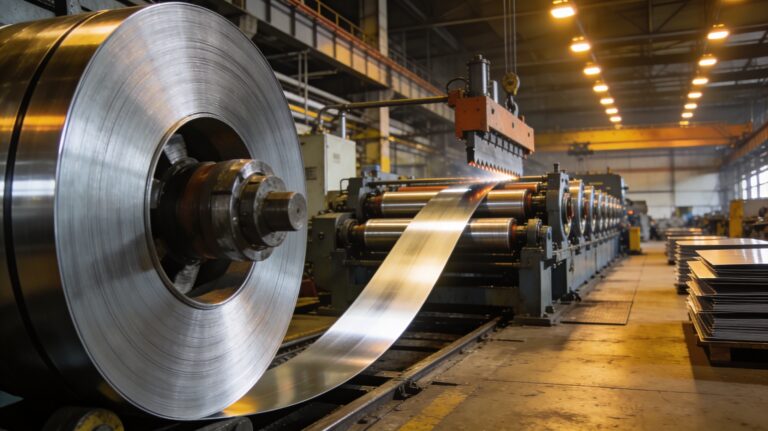
Slitting line yield improves when scrap is treated as a process map, not a single percentage. Coil processors lose material during head and tail trimming, threading, knife setup, edge trim, first-piece correction, burr rework, strip deformation, recoiling defects, and undocumented changeovers. Each loss has a different owner and a different control method.
For the full equipment and process overview, use the metal slitting line core page. For payback calculations, use the slitting line ROI decision record. This page is a narrow support page for scrap reduction. It owns only the process-control layer: where scrap appears, how to measure it, and which line settings reduce repeat losses. It is not the main slitting equipment overview and not the ROI payback page.
Build the Scrap Loss Map Before Changing Settings
Start by separating scrap into categories. Setup scrap is material consumed before stable production. Process scrap is material rejected during normal running. Quality scrap is material held because it may not meet width, edge, flatness, surface, or coil-build requirements. Handling scrap is created after cutting, often during recoiling, unloading, transfer, or storage.
| Loss type | Typical source | Control focus |
|---|---|---|
| Setup scrap | Threading, knife adjustment, first-piece correction | Recipe discipline and first-piece approval |
| Edge trim | Incoming coil edge, width program, trim knife setup | Trim allowance and stable edge removal |
| Running scrap | Burr, waviness, camber, surface damage, strip break | Knife clearance, tension, leveling, guides |
| Recoiling loss | Telescoping, loose coils, edge damage, poor separation | Recoiler tension, separator setup, unloading method |
Control Setup Strips and First-Piece Correction
Many yield losses begin before the line reaches stable speed. Operators may consume extra strips while confirming slit width, burr condition, edge trim, and recoiler build. Reduce this loss by standardizing knife build sheets, spacer verification, strip path checks, recipe recall, low-speed trial length, and first-piece inspection rules.
First-piece approval should not be casual. Record width, edge condition, burr direction, camber, surface marks, coil build, and operator adjustments. If a job repeats, compare the new setup against the previous accepted setup rather than rebuilding knowledge from scratch.
Use Knife Clearance as a Yield Control Point
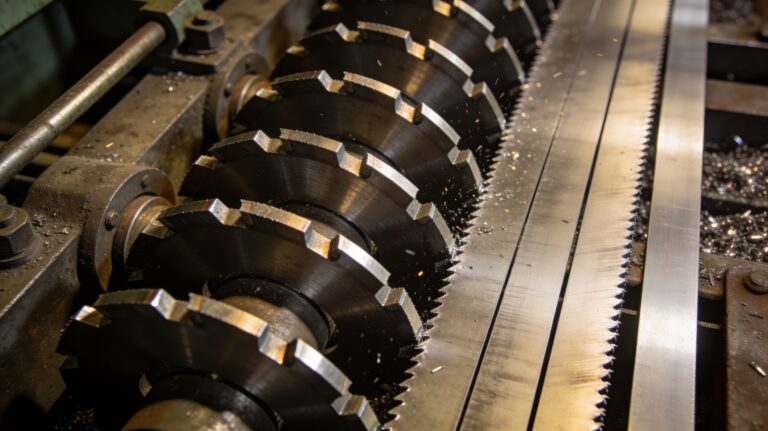
Knife clearance affects burr, edge rollover, strip distortion, tool wear, and rework. A clearance that is acceptable for mild steel may fail on stainless or aluminum. Treat clearance as a documented process setting linked to material grade, thickness, width program, knife condition, and required edge quality.
If width tolerance is the main risk, connect this work to the metal slitting machine precision width tolerance guide. Width control and scrap reduction belong together: rejected strips often come from setup variation long before they show up as a yield number.
Manage Tension to Prevent Hidden Scrap
Incorrect tension may not create immediate visible scrap, but it can create downstream loss through camber, waviness, loose coils, telescoping, strip scratches, or unstable recoiling. Track uncoiler tension, slitter tension, loop behavior, recoiler tension, and separator pressure as part of the same yield record.
For deformation problems after slitting, use the slitting deformation guide. This scrap map helps decide whether a defect is created by material condition, knife setup, tension instability, recoiling setup, or handling after the line.
Make Edge Trim a Planned Decision
Edge trim is not automatically wasteful. Poor edge trim is wasteful. If trim is too narrow, the line may carry cracked or irregular coil edges into finished strips. If trim is too wide, good material is removed every meter. Define trim rules by incoming coil condition, finished strip requirement, edge quality risk, and customer tolerance.
Connect Scrap Records to Control Behavior
Scrap data becomes useful when it is tied to line behavior. Record coil ID, material grade, thickness, width program, knife build, tension settings, speed range, first-piece result, downtime event, and final yield. This turns scrap from a monthly complaint into a job-level process record.
For servo, tension, recipe, and monitoring logic, review the advanced slitting line control guide. For broader automation execution, use the metal production line automation execution plan. This page stays focused on using those controls to reduce slitting scrap.
Run a Job-Close Yield Review
At the end of each job, review actual yield against expected yield. Separate planned losses from avoidable losses. Planned losses include required head and tail trimming, normal edge trim, and agreed test strips. Avoidable losses include repeated first-piece correction, burr rework, width rejection, recoiler damage, operator handling damage, and undocumented stops.
| Review question | Why it matters |
|---|---|
| How much setup material was consumed? | Shows whether recipe and knife setup are stable. |
| How much edge trim was planned? | Prevents over-trimming from hiding in normal yield. |
| Which defect caused the largest hold? | Points the next improvement action to the real loss. |
| Did the same issue occur on a prior job? | Separates one-time material issues from process drift. |
If your plant is trying to reduce slitting scrap, start with the MaxDo metal slitting machine range and define the material, thickness, width program, edge quality, recoiling, and reporting targets before specification. For project discussion, send those requirements through the MaxDo contact form.
To turn the scrap record into a product-family route, compare the full MaxDo metal slitting and cut-to-length machine lineup. If the loss record shows that the plant needs finished sheets or blanks rather than slit coil, route that project to the metal cut-to-length line category instead of treating it as a slitting-yield issue.