


Sheet Metal Coil Processing Main Workflow Hub
The main MaxDo coil processing workflow hub for routing incoming coil data into slitting, CTL, blanking, material checks, inspection points, RFQ data, and equipment families.
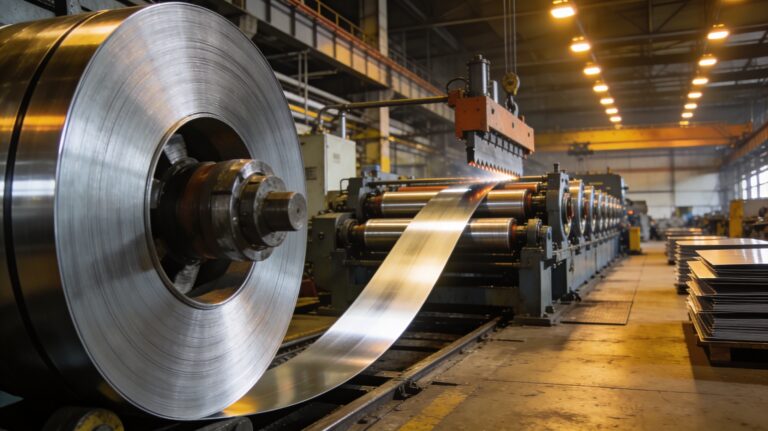
Sheet metal coil processing is a workflow decision, not a list of machines. A buyer starts with incoming coil data, defines the required output state, chooses the right process path, then confirms inspection and packaging requirements. The same master coil can become narrow slit coils, leveled sheets, blanks, or a staged workflow that needs both width and length conversion.
This page is the single main workflow hub for the MaxDo sheet metal coil processing topic cluster. It is the trunk page for routing incoming coil data into slitting, CTL, blanking, material-risk checks, inspection points, RFQ data, and equipment families. Support pages should handle narrower questions such as slitting process detail, CTL station acceptance, slitting vs blanking output geometry, material compatibility, deformation control, and product model selection.
For the slitting process trunk page, use the metal slitting line core page. For CTL station detail, use the cut-to-length process main page. For output-format decisions, use the slitting vs blanking decision map.
Start With the Incoming Coil State
Before choosing a slitting line or a cut-to-length line, record the incoming coil width, thickness range, material grade, yield strength, coil weight, ID, OD, coating, surface sensitivity, and flatness condition. These inputs define the processing window. For material-specific intake, use the MD series material compatibility checklist.
Choose the Output State
The main workflow split is output state. If downstream equipment consumes continuous narrow strip, the process usually points toward slitting. If the customer needs flat sheets or blanks, the process usually points toward CTL or blanking. For the output-format decision itself, use the slitting vs blanking decision map.
| Workflow target | Primary process | Next evaluation page |
|---|---|---|
| Narrow recoiled strips | Прорезь | Metal slitting line process guide |
| Flat sheets | Cut-to-length | Cut-to-length process guide |
| Mixed order planning | Slitting or CTL selection | Slitting vs CTL order-mix guide |
| Shape stability risk | Stress and tension control | Slitting deformation control checklist |
Map the Process State Change
Coil processing changes the material state. Slitting changes width while preserving coil continuity. CTL changes coil form into leveled sheets. Blanking creates discrete pieces for downstream fabrication. Leveling changes flatness and stress distribution. Inspection converts machine output into accepted product data. When these state changes are mapped clearly, the equipment path becomes easier to specify.
Use Inspection Points to Prevent Rework
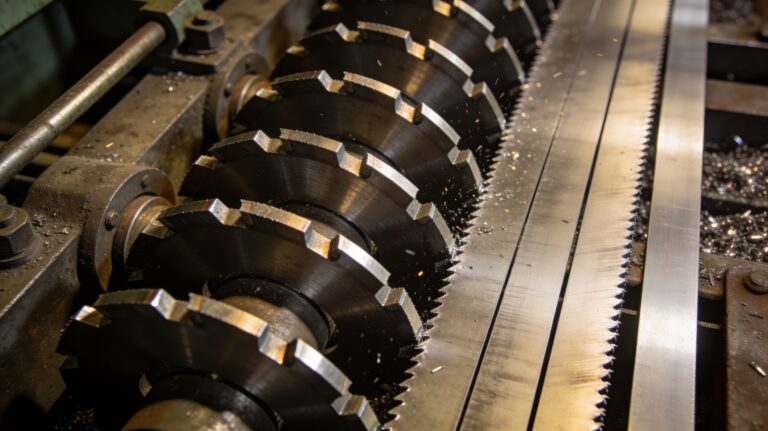
Each workflow needs different inspection points. Slitting focuses on width, burr, camber, edge condition, strip separation, and recoiling quality. CTL focuses on length, flatness, squareness, surface condition, and stack quality. If defects have already appeared, use the slit vs blanked quality troubleshooting guide.
Prepare RFQ Data by Workflow
- Incoming coil: material, grade, thickness, width, coil weight, ID, OD, coating, and flatness condition.
- Output format: slit coils, flat sheets, blanks, or a workflow that requires multiple state changes.
- Slitting data: strip widths, strip count, trim, tolerance, burr target, recoiling, and separator method.
- CTL data: sheet length range, length tolerance, flatness target, stack method, and bundle requirement.
- Operations data: batch size, changeover frequency, inspection standard, downstream process, and site constraints.
Connect Workflow to Equipment Families
If the workflow points toward slit coils, compare the metal slitting machine category, including the MA-1350 и MD-1650. If the workflow points toward flat sheets, compare the metal cut-to-length line category, including the CT-1350.
To move from workflow planning to equipment selection, send MaxDo the coil data, output format, tolerance target, inspection requirement, batch rhythm, and site constraints through the contact form. That lets the engineering team route the project to the right process family before model width, automation level, and commissioning scope are finalized.