
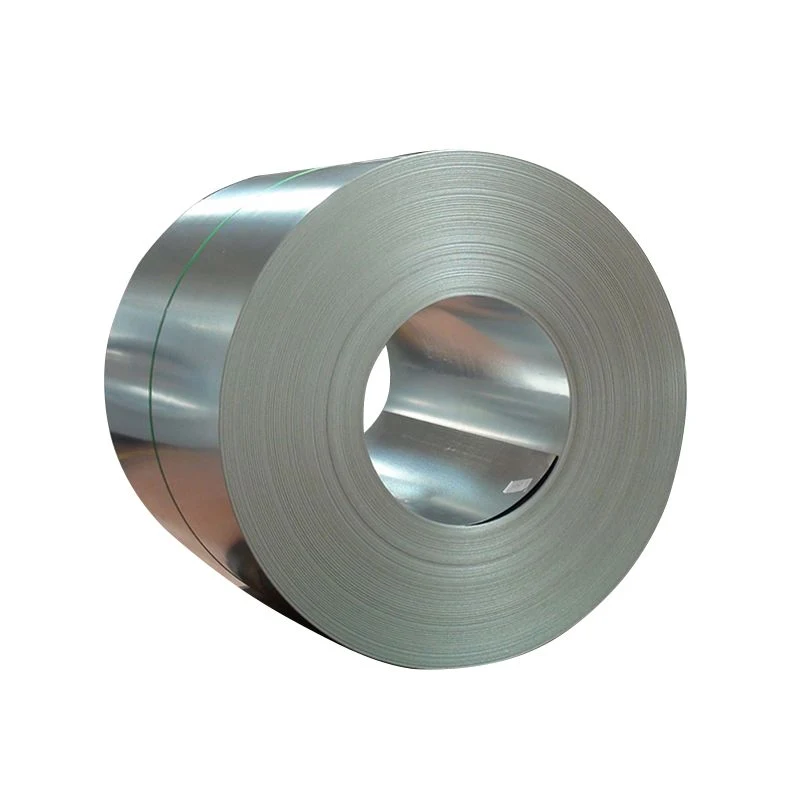
Coil slitting and cut-to-length processing both start with metal coil, but they produce different outputs. Slitting divides a wider coil into narrower strips. Cut-to-length processing produces sheets with a defined length. The output requirement should therefore come before the machine comparison.
The current MAXDO catalog confirms both process families. The local workspace does not contain a validated public coil model table with model numbers, width limits, thickness limits, line speed or complete configuration fields. This guide explains the process decision and the information needed for a technical review without importing values from another supplier.
Choose strip or sheet output
| Required output | Process path | Information to state |
|---|---|---|
| Multiple narrower strips from one wider coil | Coil Slitting | Strip widths, strip count, coil width and thickness |
| Sheets cut to a specified length | Cut-to-Length | Sheet width, sheet length, coil width and thickness |
| Both strip and sheet outputs | Separate process review | Output sequence, material flow and whether two stages are required |
The words “coil line” or “metal line” do not identify the output. State the finished product first.
Calculate strip width and strip count
Assume a 1,000 mm wide coil and a request for three 300 mm strips:
- Required strip width: 3 × 300 mm = 900 mm.
- Remaining width before trim and edge-loss review: 1,000 − 900 = 100 mm.
This arithmetic shows the width relationship that the inquiry must explain. It does not prove that the proposed layout is acceptable because the final plan may include edge trim, knife width, material tolerance and other process conditions. A technical review should confirm the usable width and the strip arrangement.
For a slitting request, also state:
- material and grade if known;
- coil width, thickness, weight and inner/outer diameter when available;
- required strip widths and strip count;
- edge condition or trim requirement;
- expected output volume;
- handling and recoiling requirements when relevant.
The current MAXDO records do not publish numerical slitting model limits, so these fields are the correct basis for the first discussion.
Define cut-to-length sheet width and length
A cut-to-length request should state the sheet width, sheet length, quantity and material. For example:
Produce sheets 1,250 mm wide and 2,500 mm long from a metal coil. The request should also state material, thickness, coil width, coil weight, required quantity and the acceptance tolerance used by the factory.
The sheet dimensions identify the output. They do not establish the machine’s cutting precision, speed or capacity. Those values are not published in the current local product records and should not be borrowed from a competitor table.
Choose slitting, cut-to-length or both processes
If the factory needs both narrow strip and cut sheets, treat the outputs as separate process stages until the equipment arrangement is confirmed. The current catalog presents slitting and cut-to-length as separate product families. It does not establish that one standard machine performs both operations in one pass or that a combined line is part of every offer.
Map the material flow:
- Define the incoming coil.
- Define the first required output.
- Define whether the material is recoiled, transferred or fed to a second process.
- Define the second output and its inspection requirement.
- Ask for the confirmed machine arrangement and handling path.
Prepare coil slitting or cut-to-length information
Include:
- material and grade;
- coil width, thickness and weight;
- inner and outer coil diameter when available;
- required strip widths and quantity for slitting;
- required sheet width, length and quantity for cut-to-length;
- expected production volume;
- tolerance and surface requirements;
- loading, recoiling, stacking and finished-product handling needs.
The more fields that are known, the more specific the technical assessment can be. The current public records support the process distinction but do not establish a complete model or performance table.
Choose the output before the machine
Choose coil slitting when the required output is narrower strip. Choose cut-to-length when the required output is sheet with a defined length. Use width arithmetic to explain the output plan, then provide coil, material, tolerance and handling information for the technical discussion. Keep the two product families separate until a confirmed project arrangement shows how they should be combined.