


Steel Coil Slitting Machine Selection Evidence Checklist
A narrow steel coil slitting machine selection evidence checklist for grade, strength, coating, strip program, width tolerance, tooling, tension, recoiling, model class, and FAT/SAT.
A steel coil slitting machine should be selected from evidence, not from a broad claim that one line is the machine of choice. The buyer should define steel grade, thickness, strength, coating, surface sensitivity, coil width, strip program, width tolerance, tooling burden, tension control, recoiling quality, plant workflow, and FAT/SAT evidence before comparing MA and MD model classes.
This page is the steel coil slitting selection evidence checklist in the MaxDo topic network. For the complete process, specs, and ROI background, use the metal slitting line core page. For a broad equipment-buyer checklist, use the verified metal slitting buyer evidence checklist. For the RFQ scope file, use the industrial slitting line project scope checklist. This page is a narrow support page for steel coil slitting selection evidence. It owns only the steel-coil evidence layer: grade, strength, coating, strip program, width tolerance, tooling burden, tension control, recoiling quality, model class, and FAT/SAT proof. It is not the main metal slitting line core page and not a broad equipment-buyer checklist.
Classify the Steel Before Choosing the Line
Steel coil slitting projects must begin with the material burden. Record carbon steel, galvanized steel, stainless steel, high-strength steel, or mixed-grade work separately. Then document thickness range, yield strength, tensile strength, coating, edge condition, surface sensitivity, incoming coil camber, and whether the plant expects occasional harder grades in the future.
| Steel evidence | What to record | Selection impact |
|---|---|---|
| Grade and strength | Yield, tensile, hardness, and grade family | Drives knife material, arbor load, tension, and speed assumptions |
| Диапазон толщины | Normal thickness, maximum thickness, future burden | Prevents undersized tooling and drive selection |
| Coating and surface | Galvanized, painted, stainless finish, or sensitive surface | Changes strip handling, separator, and recoiling protection |
| Incoming condition | Coil edge, camber, telescoping, surface defects | Separates machine limits from material-quality problems |
For material-class boundaries across MaxDo slitting and shearing equipment, use the MD series material compatibility checklist. If the scope still uses gauge language, convert it with the gauge thickness chart before sizing the line.
Define the Steel Strip Program
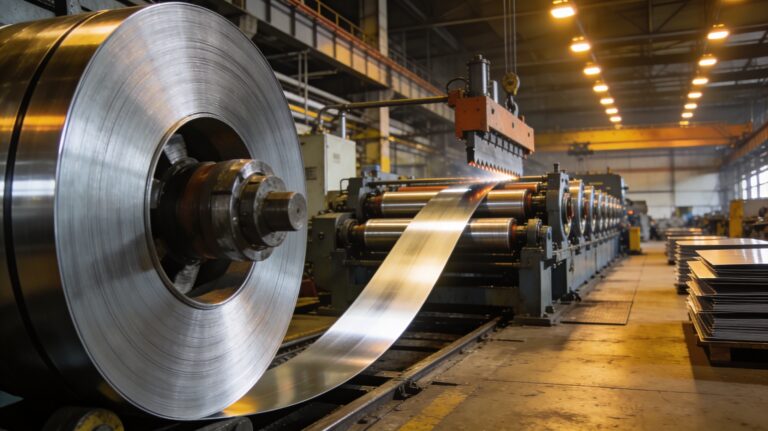
The strip program turns a steel coil inquiry into a machine selection file. Record master coil width, finished strip widths, strip count, trim allowance, width tolerance, burr limit, camber target, finished coil ID and OD, separator method, packing route, and downstream use such as tube mill, roofing, appliance, HVAC, fabrication, or service-center resale.
For measurement rules, use the slitting width tolerance measurement protocol. For precision evidence across harder production work, use the high-precision slitting evidence checklist.
Check Knife, Arbor, Tension, and Recoiling Evidence
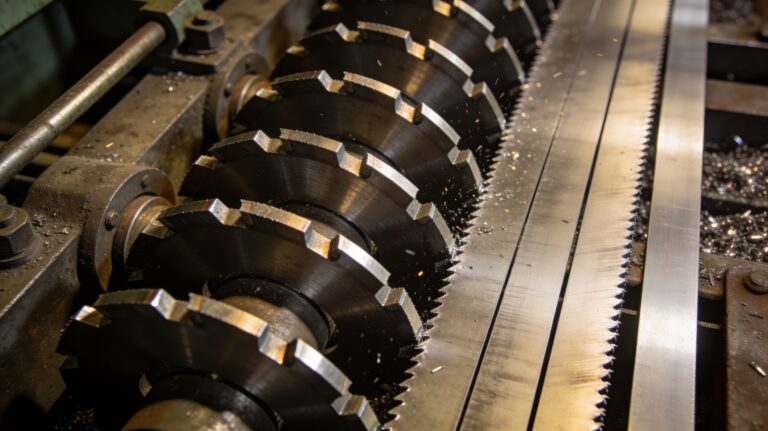
Steel selection depends on the cutting and strip-control burden. The buyer should ask how knife clearance, blade material, arbor stiffness, separator setup, tension control, recoiler torque, scrap handling, and strip guidance will be proven for the agreed steel range. A line that performs well on mild steel may need different evidence for stainless or high-strength steel.
- Knife setup: clearance, overlap, blade material, spacer stack, setup record, and retest rule.
- Tension evidence: stable strip tracking, no surface damage, no edge wave, and no recoiling defects.
- Finished coil evidence: coil shape, separator quality, edge protection, packing route, and downstream release.
Use the slitting line setup time reduction checklist when the plant changes steel strip widths frequently. Use the slitting scrap reduction map when the project is justified by yield, trim control, and setup loss.
Separate Steel Slitting From CTL or Blanking Decisions
Steel coil slitting creates narrow coils. It should not be mixed with CTL or blanking selection until the required output form is clear. If the downstream process needs sheets, blanks, or mixed output, first compare slitting and CTL with the slitting vs CTL ROI decision record and the slitting vs blanking decision map.
Route the Steel Evidence to a Model Class
After the steel evidence is stable, choose a platform class with the industrial slitting platform-class decision record. Narrower or compact steel programs may begin with MA-850. Mid-width mixed steel work can compare MA-1350. Wider, heavier, or higher-burden steel programs should evaluate MD-1650 и MD-2200.
| Model path | Use when | Evidence to attach |
|---|---|---|
| MA-850 | Compact steel coil programs with narrower width burden | Steel grade, thickness, strip count, tolerance, and plant route |
| MA-1350 | Mid-width mixed steel service-center work | Setup rhythm, strip program, separator/recoiler evidence |
| MD-1650 | Wider or heavier steel programs with higher workflow burden | Tension, tooling, coil handling, FAT/SAT sample plan |
| MD-2200 | Routine ultra-wide steel coil work with proven plant capacity | Business case, handling route, tolerance, and acceptance records |
Build FAT and SAT Around Steel Samples
The RFQ should require FAT and SAT records using the agreed steel range or a documented equivalent. Record steel grade, thickness, coil width, strip widths, line speed, width tolerance, burr limit, camber limit, surface condition, recoiling quality, setup time, deviation owner, correction method, and retest rule. For control records and reporting upgrades, use the slitting line control upgrade roadmap.
Send a Steel Coil Selection File to MaxDo
Review the metal slitting machine category after the steel selection file is complete. To ask MaxDo for a steel coil slitting machine recommendation, send steel grade, thickness, strength, coating, coil width and weight, finished strip program, tolerance target, setup rhythm, plant constraints, model-class preference, and FAT/SAT evidence through the contact form.