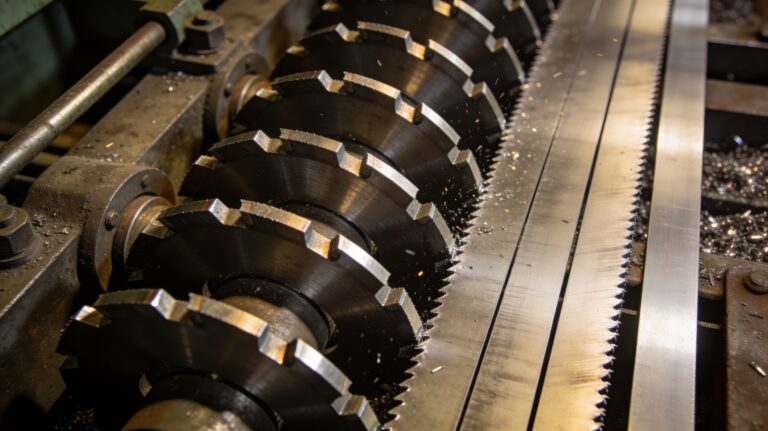



High-Precision Slitting Evidence Checklist
A narrow high-precision slitting evidence checklist for rigidity, arbor runout, blade setup, tension stability, width data, burr, camber, FAT/SAT, and model routing.
This page is a narrow support page for high-precision slitting evidence in the MaxDo slitting topic network. It owns only the evidence stack behind tight strip tolerance: frame rigidity, arbor runout, blade setup, spacer accuracy, tension stability, width data, burr, camber, FAT/SAT samples, and repeatable setup records. It is not the width measurement protocol, not the blade setup checklist, and not the main metal slitting line core page.
High-precision slitting should be proven with evidence, not only described with an accuracy claim. A buyer should be able to trace tight strip results back to frame rigidity, arbor runout, blade setup, spacer accuracy, tension stability, strip path control, recoiling behavior, measurement records, FAT/SAT samples, and repeatable operator setup.
This page is the high-precision slitting evidence checklist in the MaxDo topic network. For the exact measurement method, use the slitting width tolerance measurement protocol. For RFQ language and buyer acceptance wording, use the verified slitting precision and width tolerance acceptance wording. This page focuses on the technology evidence that makes tight tolerance credible.
Start With the Precision Evidence Stack
A precise strip result comes from a stack of systems working together. If one layer is vague, the final tolerance claim becomes hard to defend during FAT, SAT, or production. The evidence stack should include mechanical structure, tooling, material data, tension behavior, measurement method, and correction records.
| Evidence layer | What to inspect | Why it protects precision |
|---|---|---|
| Machine structure | Frame rigidity, shaft support, guide alignment, vibration control | Prevents movement under cutting load |
| Tooling system | Arbor runout, blade condition, spacer stack, clearance, overlap | Turns nominal width into repeatable strip width |
| Material behavior | Grade, thickness, strength, coating, surface sensitivity | Prevents one setup from being used across different materials |
| Process control | Tension zones, speed, recipe records, alarms, correction history | Shows whether precision survives real running conditions |
Check Rigidity Before Accuracy Claims
High precision starts with a stable mechanical platform. Review the frame, knife shaft support, bearing condition, guide alignment, arbor parallelism, vibration behavior, and service access. A control system cannot hold strip width if the mechanical structure deflects under the material load.
For compact 850-class equipment, connect this review to the MD-850 compact engineering tradeoff checklist and the MD-850 compact slitting acceptance checklist. Those pages define when compact layout is a good fit and when the project should move to a larger model path.
Treat Blade Setup as a Precision System
Blade quality matters, but precision is not a blade-only issue. The record should include blade material, edge condition, arbor runout, spacer accuracy, blade clearance, blade overlap, separator method, trim rule, first-piece result, and the operator who approved the setup. For knife-level detail, use the slitting blade setup checklist.
If the project changes jobs frequently, blade evidence should also connect to the slitting line setup time reduction checklist. High precision is stronger when repeat jobs start from known setup records instead of being rebuilt from memory.
Tie Precision to Material and Strip Program
The same machine may behave differently on mild steel, stainless steel, aluminum, coated steel, or higher-strength material. Record material grade, thickness, tensile strength, yield strength, coating, surface requirement, incoming coil width, finished strip widths, strip count, trim allowance, and downstream process. For material boundaries, use the MD series material compatibility checklist.
Gauge labels should be converted before precision is discussed. Use the gauge thickness chart so the RFQ and acceptance record use real thickness values, not ambiguous gauge language.
Record Tension, Recoiling, and Shape Stability
A strip can pass a width check and still fail because camber, burr, wave, loose recoiling, telescoping, or surface marking makes it unusable downstream. Precision evidence should include uncoiler behavior, strip path, separator pressure, recoiler tension, finished coil build, camber checks, and burr limits. For shape issues, use the slitting deformation control checklist.
Precision also affects yield. When setup strips, edge trim, burr rework, or recoiling damage consume material, connect the evidence stack to the slitting scrap reduction map.
Use Control Records to Prove Repeatability
Controls prove precision when they preserve records, not when they only display setpoints. Useful evidence includes recipe values, tension settings, speed range, alarm history, setup changes, operator approval, measurement records, and correction notes. For staged control upgrades, use the slitting line control system upgrade roadmap. For plant-level execution, use the metal production line automation execution plan.
Build FAT and SAT Around the Same Evidence
FAT should prove the agreed strip program before shipment. SAT should repeat the same evidence on site with the buyer’s utilities, material handling route, operators, and real production constraints. If the measurement method changes between factory and site, the acceptance record becomes weak.
- Freeze material, coil width, finished strip widths, strip count, trim, tolerance, burr, camber, and recoiling requirements.
- Record frame, arbor, blade, spacer, separator, tension, speed, and recoiler settings used during the test.
- Measure first-piece, early-run, mid-coil, and end-coil samples using the same protocol.
- Attach deviations, correction owners, retest results, operator training, spare parts, and final sign-off.
Route the Evidence to the Right Slitting Model
After the precision evidence stack is clear, compare the metal slitting machine category. Compact or narrow programs may start with MA-850. Mid-width projects can compare MA-1350. Wider or heavier programs should evaluate MD-1650 и MD-2200 against the actual material and strip program.
For the full process architecture, use the metal slitting line core page. To ask MaxDo to review a high-precision slitting project, send the material range, thickness, coil width, strip program, tolerance target, burr and camber limits, setup records, FAT/SAT plan, and model boundary through the contact form.