

Export-Oriented Metal Processing Equipment Delivery Checklist
A narrow cross-border delivery checklist for export-oriented metal processing equipment suppliers, covering documentation, FAT, packing, shipping, installation, service, spare parts, and acceptance risk.
Export-oriented metal processing equipment suppliers should be evaluated by delivery risk, not only by machine specifications. A supplier can build a capable slitting line or cut-to-length line and still fail the project if export documentation, packing, shipping coordination, installation planning, remote service, spare parts, and acceptance evidence are weak.
This page is a narrow support page for export delivery risk in the MaxDo supplier topic network. It owns only the cross-border delivery layer: documentation, FAT evidence, packing, shipping coordination, installation planning, remote service, spare parts, and acceptance risk. It is not the complete automated-line manufacturer evaluation matrix and not a product category page. For complete automated-line manufacturer evaluation, use the automated metal production line manufacturer scorecard. This page focuses on what changes when the equipment must cross borders and still reach stable production after arrival.
Confirm Export Scope Before Comparing Prices
A cross-border quotation should define more than model width and capacity. Confirm whether the supplier includes export packing, container loading plan, commercial invoice, packing list, certificate documents, electrical documentation, spare-parts list, installation drawings, remote commissioning support, and on-site service terms. If these items are vague, the purchase price is not yet comparable.
| Export checkpoint | Buyer should request | Risk reduced |
|---|---|---|
| Documentation | Invoice, packing list, certificate set, manuals, wiring diagrams | Customs delay, local approval delay, unclear maintenance handover |
| FAT evidence | Test plan, sample material, acceptance photos, running video, deviation list | Dispute after shipment |
| Packing and loading | Rust protection, crate marks, container plan, lifting points | Transport damage and missing parts |
| After-sales support | Response time, remote access method, spare parts list, technician plan | Long downtime after installation |
Tie Export Readiness to the Actual Process
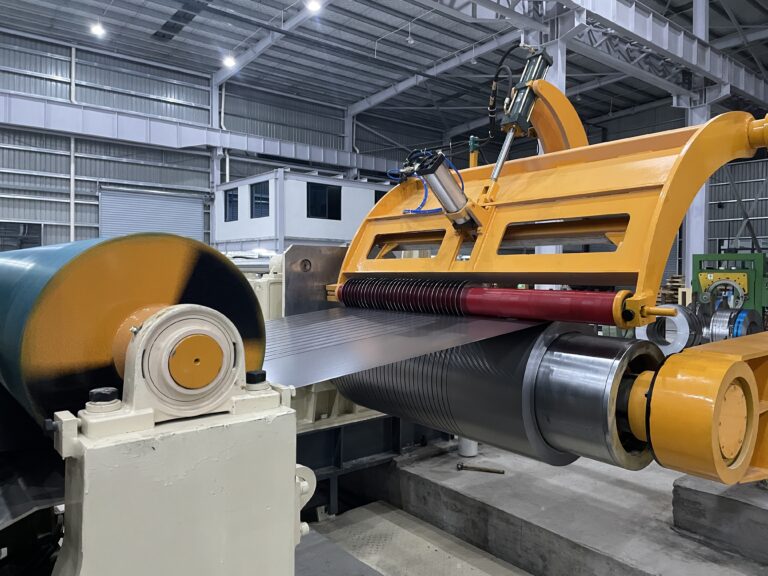
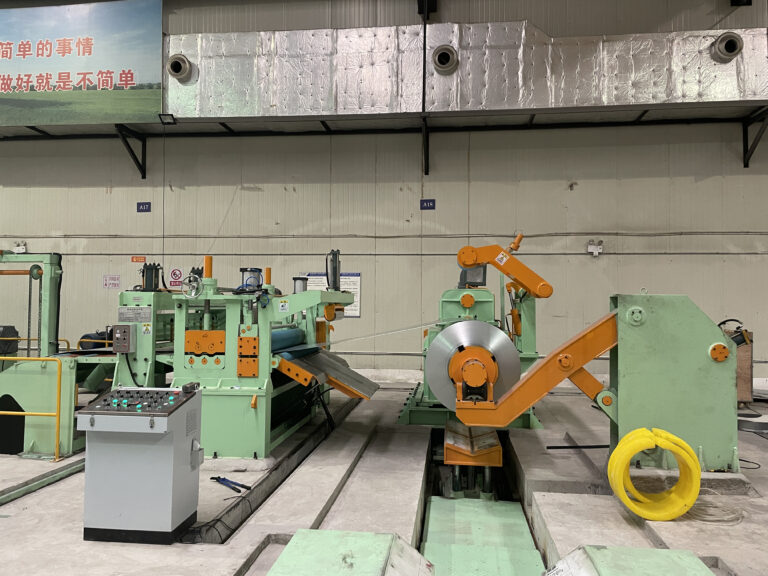
Export readiness is different for slitting, CTL, blanking, feeding, stacking, and recoiling systems. A slitting line may need extra attention to knife tooling, strip separation, recoiler alignment, and tension commissioning. A CTL line may need extra attention to leveling, length accuracy, stacker setup, and sheet handling. For process routing, start from the sheet metal coil processing workflow map and the slitting vs blanking decision map.
Ask for FAT and SAT Criteria Before Payment Milestones
Factory acceptance testing should be written before final payment terms are agreed. Define test material, coil width, thickness, output format, speed range, tolerance target, safety checks, inspection method, and acceptable deviation handling. Site acceptance testing should define what must be verified after installation, including power, air, alignment, operator training, and first production samples.
For acceptance logic by output type, compare the slit vs blanked product acceptance guide. For material data required before testing, use the MD series material compatibility checklist.
Check Documentation and Compliance as a Deliverable
Export documentation should be treated as part of the equipment package. Ask for machine layout, foundation drawing, electrical schematic, pneumatic or hydraulic drawing if applicable, spare-parts list, wearing-parts list, operation manual, maintenance plan, packing list, and certificate documents required by the destination market. If the buyer needs evidence before ordering, review MaxDo’s certificate page y factory tour.
Build a Cross-Border Supplier Checklist
- Export documents: commercial documents, certificate documents, manuals, drawings, and local compliance support.
- FAT plan: test coil, process parameters, inspection method, video evidence, and deviation handling.
- Shipping plan: packing protection, container layout, lifting points, crate marking, and missing-part control.
- Installation plan: foundation, utilities, alignment, technician schedule, remote support, and training language.
- Service plan: response time, spare-parts lead time, wearing-parts package, remote diagnosis, and warranty exclusions.
Route Export Buyers to the Right Equipment Path
If the project is mainly coil-processing equipment, compare the coil processing equipment supplier shortlist. If the project is CTL-specific, use the cut-to-length line supplier evaluation page. For custom equipment rather than export readiness, use the custom metal machinery supplier checklist.
For MaxDo product paths, compare the metal slitting machine category and the metal cut-to-length line category. Common export RFQ anchors include MA-1350, MD-1650, and CT-1650. To request export delivery planning, send material data, destination country, output format, documentation needs, FAT/SAT targets, and service expectations through the contact form.