


1350mm Slitting Line RFQ: Specification Checklist
A narrow RFQ checklist for 1350mm slitting line buyers, covering coil width, thickness, material, strip program, tolerance, recoiling, automation, site, and model-boundary data.
A 1350mm slitting line RFQ should define the production requirement before asking for a price. The important question is not only whether the line can accept a 1350mm coil. The important question is whether the width class, thickness range, material mix, strip program, recoiling requirement, tolerance target, automation level, and site constraints match the plant’s real orders.
For model selection across MA and MD series machines, use the MA and MD slitting machine model fit matrix. For the full process and equipment overview, use the metal slitting line core page. This page is a narrow support page for 1350mm-class slitting RFQ specification. It owns only the RFQ data layer: width class, thickness range, material mix, strip program, recoiling requirement, tolerance target, automation level, site constraints, and model-boundary data. It is not the main metal slitting line core page and not the MA/MD model fit matrix.
Confirm the 1350mm Width Class
The 1350mm class is a mid-width choice. It can be a good fit when the plant needs more width than an 850-class compact line but does not require a wider 1650mm or 2200mm system. Before quoting, list the minimum and maximum incoming coil width, typical running width, finished strip widths, trim allowance, and whether future orders may exceed the current width class.
Use the MA-1350 metal slitting machine as the model anchor for 1350mm-class discussions. If the requirement is smaller or wider, compare adjacent anchors such as the MA-850 slitting machine и MD-1650 slitting machine.
Define Material and Thickness Range
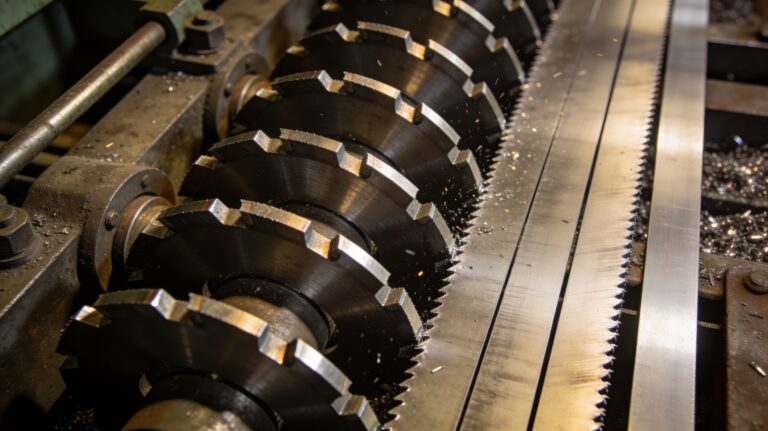
Material and thickness range decide more than frame size. They affect uncoiler capacity, knife selection, separator setup, drive load, tension control, recoiling stability, and maintenance planning. Prepare material grades, yield strength range, minimum and maximum thickness, surface sensitivity, coating condition, and the percentage of production each material represents.
| RFQ field | Why it matters |
|---|---|
| Coil width range | Confirms whether 1350mm is the right machine class. |
| Thickness and grade | Determines knife load, tension, drive sizing, and safety margin. |
| Finished strip program | Defines knife setup, spacer logic, trim, and recoiling plan. |
| Run length and changeovers | Shows whether setup speed or maximum speed is the real constraint. |
Specify Tolerance and Edge Quality
Do not write only “high precision” in an RFQ. Define finished strip width tolerance, burr expectation, edge condition, camber limit, surface protection requirement, and first-piece approval method. If tolerance is the deciding issue, review the metal slitting machine precision width tolerance guide before finalizing the RFQ.
Define Recoiling and Packaging Requirements
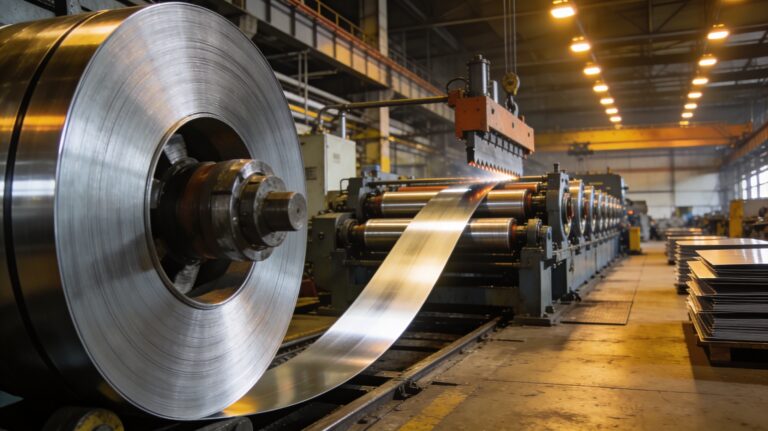
A 1350mm slitting line can fail the project even when the cut is correct if the finished coils are hard to handle, loose, telescoped, scratched, or packaged incorrectly. Define finished coil ID and OD, strip count, separator method, coil build requirement, unloading method, packing method, and downstream handling. These details affect recoiler design and line layout.
If the main goal is lower material loss, use the slitting line scrap reduction map to define setup loss, trim loss, running scrap, and recoiling loss before quoting.
Choose the Automation Boundary
Automation should be specified by function, not by buzzword. Decide whether the RFQ needs recipe storage, automatic knife positioning, tension recipes, coil/job records, alarm history, production reporting, remote diagnostics, or MES connection. For retrofit or staged control planning, use the slitting line control upgrade roadmap.
Prepare Site and Project Data
A complete RFQ should include floor space, power supply, crane capacity, coil loading method, scrap handling, operator access, guarding expectations, installation window, commissioning target, and training requirement. These items prevent a specification that looks correct on paper but becomes difficult to install or operate.
1350mm Slitting Line RFQ Checklist
- Incoming coil width range, coil weight, ID/OD, and future width expansion needs.
- Material grades, thickness range, coating or surface protection requirement.
- Finished strip widths, strip count, tolerance, burr, camber, and edge-quality target.
- Recoiling, separator, unloading, packing, and downstream handling requirements.
- Automation, reporting, site, installation, commissioning, and training requirements.
After the RFQ data is clear, compare the MaxDo metal slitting machine category and the MA-1350 product page. To discuss a 1350mm slitting line project, send your coil width, thickness, material, strip program, tolerance, recoiling, automation, and site data through the MaxDo contact form.