

Cut-to-Length Line Suppliers: CTL Acceptance Matrix
A narrow CTL supplier acceptance matrix covering leveling, length tolerance, flatness, stacking, sheet handling, FAT/SAT evidence, service, and RFQ data.
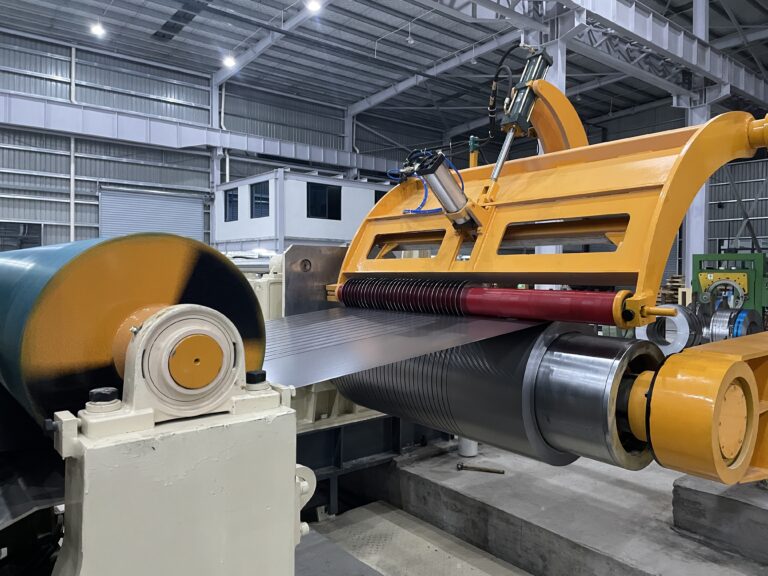
Cut-to-length line suppliers should be evaluated by flat-sheet acceptance evidence, not by a generic supplier ranking. A CTL line must unwind, level, feed, cut, transfer, stack, and deliver sheets that meet length, flatness, squareness, surface, and package requirements. If the supplier cannot define how those outputs will be tested, the quotation is not ready for comparison.
This page is the CTL-specific supplier matrix in the MaxDo topic network. For broader coil-processing supplier scope, use the coil processing equipment supplier shortlist. For export delivery risk, use the export supplier delivery checklist. This page is a narrow support page for CTL supplier selection and acceptance. It owns only the CTL supplier evidence layer: leveling, length tolerance, flatness, stacking, sheet handling, FAT/SAT proof, service, and RFQ data. It is not the main cut-to-length process page and not a broad coil-processing supplier shortlist.
Start With the CTL Output Requirement
The CTL supplier shortlist should begin with sheet output: material grade, thickness range, coil width, coil weight, finished length range, length tolerance, flatness target, squareness, surface protection, stacking method, bundle weight, and downstream process. For the process sequence, use the cut-to-length process guide. If the buyer is still choosing between slit coils and sheets, use the slitting vs CTL order-mix guide.
Evaluate Leveling Before Speed Claims
CTL output quality depends heavily on leveling. Ask how the supplier handles coil set, crossbow, edge wave, material strength variation, coated surfaces, and different thickness ranges. A line speed claim is weak unless the supplier also defines flatness performance at the buyer’s actual material mix. For light and medium gauge decisions, compare the light vs medium gauge CTL boundary matrix.
| CTL acceptance area | Supplier evidence to request | Risk reduced |
|---|---|---|
| Leveling and flatness | Material sample plan, leveler range, flatness target, defect response | Sheets rejected in laser, press brake, welding, or assembly |
| Length and squareness | Servo feed logic, measuring method, shear setup, tolerance proof | Dimensional complaints after delivery |
| Surface and handling | Roller contact plan, transfer method, stacker design, surface protection | Scratches, marks, and stack damage |
| FAT/SAT | Test coil, running video, inspection records, deviation list, training plan | Disputes after shipment or installation |
Separate CTL Suppliers From Slitting Suppliers
Some coil-processing suppliers can provide both slitting and CTL lines, but the acceptance logic is different. Slitting focuses on strip width, burr, camber, separator setup, and recoiling. CTL focuses on sheet length, flatness, squareness, stacking, and surface handling. For the output-format split, use the slitting vs blanking decision map. For quality differences after processing, use the slit vs blanked product acceptance guide.
Build CTL FAT and SAT Into the RFQ
Factory acceptance testing should define test material, coil width, thickness, length program, speed range, length tolerance, flatness target, surface condition, stacking requirement, and reject handling. Site acceptance testing should define installation alignment, utilities, operator training, first production run, spare parts, and final sign-off. These details should appear before the final payment milestone is agreed.
CTL Supplier RFQ Checklist
- Material data: grade, thickness range, width range, coil weight, coating, surface sensitivity, and incoming flatness.
- Finished sheet data: length range, length tolerance, flatness, squareness, surface requirement, stack height, and bundle weight.
- Line configuration: uncoiler, leveler, servo feed, shear, conveyor, stacker, scrap handling, HMI, and safety scope.
- Acceptance evidence: FAT plan, SAT plan, inspection method, running video, training, and deviation handling.
- Service support: spare parts, wearing parts, remote diagnostics, technician schedule, warranty, and documentation package.
Route Buyers to CTL Equipment Paths
For MaxDo CTL equipment, start with the metal cut-to-length line category, including CT-850, CT-1350, and CT-1650. If the project still includes slitting scope, compare the metal slitting machine category and the sheet metal coil processing workflow map.
To request a CTL supplier review, send MaxDo the material data, finished sheet requirements, flatness target, stack requirement, available layout, FAT/SAT expectations, and service location through the contact form.