

Material Route Matrix: Slitting or CTL by Metal Type
A narrow material route matrix for choosing slitting or CTL processing for aluminum, stainless steel, and mild steel coils.
Aluminum, stainless steel, and mild steel do not behave the same way in coil processing. The right choice between slitting and cut-to-length work depends on surface sensitivity, springback, thickness, edge quality, flatness, strip width, sheet length, and the next operation after the line. Material behavior should narrow the process choice before a machine model is discussed.
For the main equipment selection framework, use the metal slitting vs CTL main comparison matrix. For production-order planning, use the slitting vs CTL order-mix planning support page. This page is a narrow support page for the material-route layer. It owns only how aluminum, stainless steel, and mild steel change slitting-or-CTL process risk. It is not the main slitting vs CTL comparison matrix, not a product page, and not an order-mix planning page.
Material Behavior Changes the Process Risk
A process that works well for one metal can create avoidable defects in another. Aluminum often needs surface protection and careful handling. Stainless steel often needs stronger attention to springback, edge condition, and tool pressure. Mild steel is usually more forgiving, but thickness range, scale, and production volume can still push the decision toward one process.
| Material | Main risk | Slitting fit | CTL fit |
|---|---|---|---|
| Aluminum | Surface marks, edge cracking, soft handling damage | Good for narrow coil or strip programs with protected handling | Good for flat sheets when surface protection and stacking are controlled |
| Stainless steel | Springback, burr, work hardening, higher tool load | Good for strip output when knife clearance and tension are disciplined | Good for sheet output when leveling and shear settings control springback |
| Mild steel | Thickness variation, scale, volume pressure, flatness demand | Good for high-volume strip and roll-forming feedstock | Good for fabrication sheets, blanks, and leveled stock |
Aluminum: Protect Surface and Edge Quality
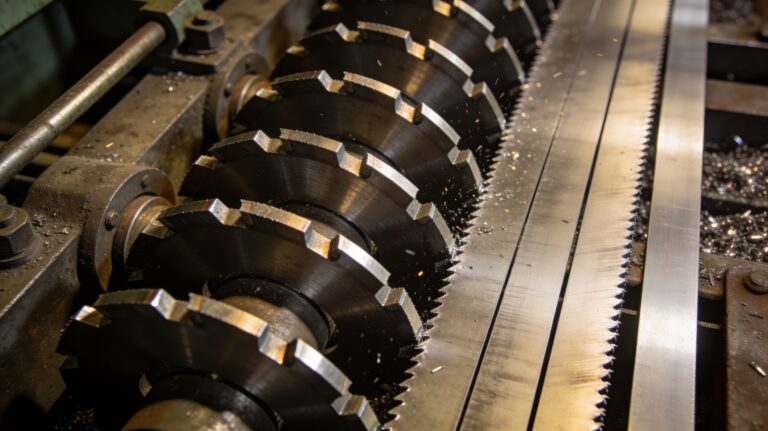
Aluminum is sensitive to surface marks, guide contact, roller pressure, and edge condition. Choose slitting when the downstream process needs narrow coils or strips and the line can control side guiding, separator setup, recoiling tension, and edge quality. Choose CTL when the customer needs flat sheets and the line can protect the surface through leveling, feeding, shearing, and stacking.
For CTL process details, including leveling and stacking, use the cut-to-length process guide. Aluminum decisions often depend less on the word “slitting” or “CTL” and more on whether the line can move the material without marking it.
Stainless Steel: Control Springback and Edge Load
Stainless steel can create higher cutting load, stronger springback, and stricter edge-quality requirements. Slitting can be the right choice when finished coils or strips are required, but knife clearance, blade condition, tension, and recoiling must be controlled carefully. CTL can be the better choice when the final requirement is flat sheet stock and the leveler can manage springback across the width.
If width tolerance or edge consistency is the main concern, connect the decision to the metal slitting machine precision width tolerance guide. Stainless processing problems often appear as a tolerance or edge-quality complaint before they are recognized as a material-behavior issue.
Mild Steel: Match Thickness, Volume, and End Use
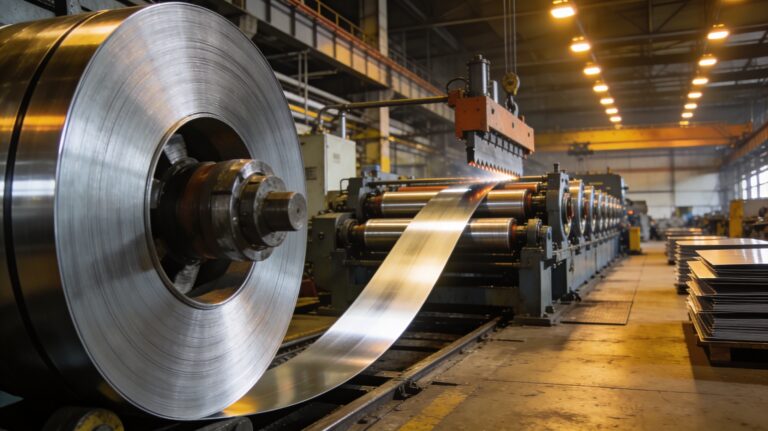
Mild steel is usually the most forgiving of the three materials, so the decision often depends on output form, thickness range, and production volume. Slitting is strong when the plant needs repeated strip widths for roll forming, tube making, stamping feed, or narrow-coil resale. CTL is strong when the plant needs flat sheets, blanks, or leveled stock for fabrication and cutting operations.
When mild steel deformation appears after slitting, review the slitting deformation guide. Camber, waviness, and coil-build issues can change the process choice or the line specification even when the material itself is not difficult.
Use Downstream Operation as the Tie-Breaker
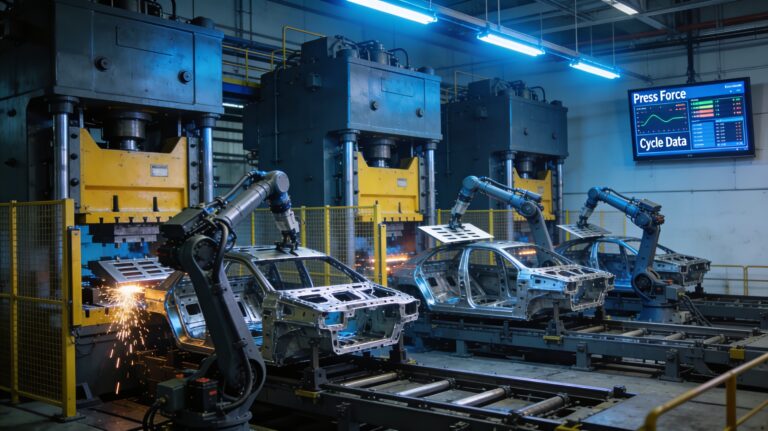
If the material can be processed either way, the downstream operation should decide. Roll forming, tube mills, strip-fed stamping, and narrow-width resale usually point toward slitting. Laser cutting, fabrication cells, press blanks, appliance panels, and flat sheet resale usually point toward CTL. The material only becomes useful when it reaches the next operation in the right form.
Prepare Material-Specific RFQ Data
Before requesting a machine recommendation, prepare a material-specific data package. Include grade, thickness range, coil width, surface finish, coating, required strip width or sheet length, edge-quality requirement, flatness target, expected run length, current rejection reason, and downstream operation. This prevents a general slitting vs CTL discussion from missing the material behavior that actually drives the equipment choice.
| RFQ item | Why it matters |
|---|---|
| Surface finish and coating | Determines handling, guide, roller, and stacking requirements. |
| Thickness and grade | Affects knife clearance, leveler penetration, shear setting, and drive load. |
| Finished output form | Separates strip-led jobs from sheet-led jobs. |
| Rejection history | Shows whether edge, flatness, surface, or handling is the real constraint. |
After the material behavior is clear, compare MaxDo cortadoras de metal, metal cut-to-length lines, or the full MaxDo product range. For a project recommendation, send your material, output, tolerance, and downstream-use data through the MaxDo contact form.