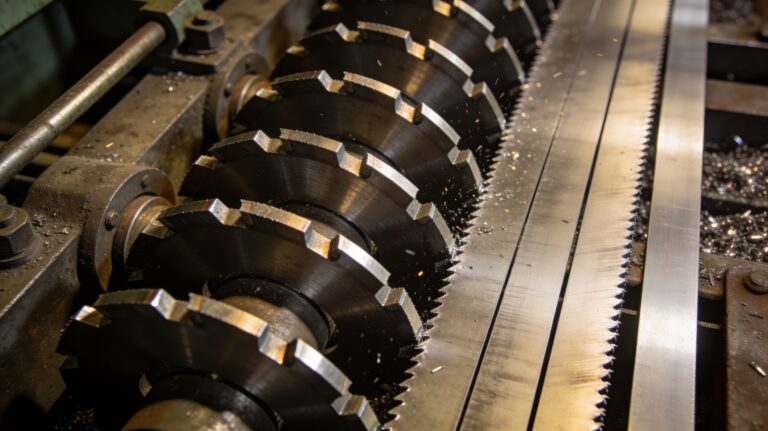



Aluminum Alloy Slitting Line Case Study
An aluminum alloy slitting line case study covering material grade, surface protection, width tolerance, strip program, setup, controls, product routing, FAT/SAT, and support evidence.
This aluminum alloy slitting line case study should be read as delivery evidence, not as a contract announcement. The project context was a toll-processing workflow in the Midwest United States that needed repeatable aluminum alloy strip preparation with surface protection, width tolerance control, stable setup, coil handling, inspection records, and a support handoff after commissioning.
This page is an aluminum alloy case node in the MaxDo slitting topic network. For material behavior across aluminum, stainless, and mild steel, use the slitting or CTL by material guide. For MD series material intake, use the MD series material compatibility checklist. This case focuses only on how an aluminum alloy slitting project should be specified, accepted, and supported.
Case Context: Aluminum Alloy Strip Preparation
Aluminum alloy slitting is sensitive to surface marks, edge condition, burr, strip tracking, recoiling pressure, and handling route. The buyer should not approve a line from a broad automation claim. The case file should define aluminum grade, temper, thickness range, master coil width, coil weight, finished strip widths, strip count, surface protection, tolerance target, and downstream application before the model path is confirmed.
| Case evidence area | What to define | Why it matters for aluminum |
|---|---|---|
| Material file | Grade, temper, thickness, coating, surface sensitivity | Aluminum may be easy to cut but easy to mark or deform |
| Strip program | Finished widths, strip count, trim, tolerance, burr and camber limits | Defines tooling, separator, recoiling, and inspection burden |
| Protección de superficies | Guide contact, roller condition, separator method, packing route | Protects visible or coated aluminum surfaces through handling |
| Setup evidence | Knife setup, first-piece approval, correction loop, setup scrap | Controls repeated width and edge quality across jobs |
| Commissioning file | FAT/SAT checks, operator training, spare parts, support route | Keeps the line stable after delivery rather than only during trial |
Route the Case to the Right Slitting Product Path
Aluminum alloy projects should start from the metal slitting machine category, then narrow the model path by width, surface risk, strip count, coil handling, and support burden. Mid-width aluminum programs can review MA-1350. Wider or mixed service-center programs can compare MD-1650. Wide-coil or long-term growth programs should include MD-2200 only when the plant can support the handling and layout requirements.
Use Width Tolerance and Surface Checks as Acceptance Gates
The aluminum case should define acceptance gates for width tolerance, burr, camber, surface condition, strip tracking, and coil build. Use the slitting width tolerance measurement protocol for sampling points, measuring tools, drift rules, and corrective action. Use the high precision slitting evidence checklist when the buyer needs stronger proof for tolerance and surface-sensitive production.
| Acceptance gate | Evidence to keep | Case risk reduced |
|---|---|---|
| First-piece width | Measured strip widths, tool, operator, correction note | Prevents running volume before the setup is stable |
| Edge condition | Burr observation, blade condition, clearance note, sample photos | Protects downstream feeding or forming quality |
| Surface condition | Inspection photos, guide path, roller condition, handling note | Separates slitting marks from incoming coil marks |
| Recoiling quality | Coil build, separator status, finished OD, unloading method | Prevents accepted strip from being damaged after slitting |
Connect Setup and Controls to the Aluminum Program
Aluminum slitting projects should not describe controls in generic terms. The controls file should state which settings need recipe storage, which alarms matter, what inspection data is recorded, how setup changes are approved, and which operator actions are allowed after a deviation. For setup workflow, use the slitting line setup time reduction checklist. For PLC, HMI, recipe, tension, and monitoring decisions, use the slitting line control upgrade roadmap.
Build FAT and SAT Around Aluminum Evidence
FAT should test an agreed aluminum alloy sample or a documented equivalent before shipment. SAT should repeat the same checks on site with the buyer’s coil handling route, operators, inspection method, storage area, and production schedule. The record should include material file, strip program, width measurements, burr and camber checks, surface inspection, recoiling evidence, setup time, deviation owner, retest method, training, and spare-parts handoff.
- Confirm aluminum grade, temper, thickness, coating, and surface sensitivity before model routing.
- Record finished strip widths, strip count, trim, width tolerance, burr, camber, and surface condition.
- Test guide contact, separator method, recoiling pressure, unloading route, and packaging condition.
- Attach setup, control, training, spare-parts, and support records to the commissioning file.
Connect This Case to the Wider Slitting Case Network
This aluminum case should be compared with delivered stainless-strip evidence rather than treated as a standalone announcement. The Saudi Arabia stainless steel slitting case study helps buyers see how strip preparation, packaging release, and support handoff differ by material. For after-sales boundaries, use the coil processing equipment support evidence matrix. For certification context, review the certificate page.
Send an Aluminum Alloy Slitting Case File to MaxDo
To ask MaxDo for an aluminum alloy slitting review, send aluminum grade, temper, thickness range, coil width and weight, finished strip program, tolerance target, surface protection requirement, setup frequency, control records, packaging route, FAT/SAT evidence requests, destination site constraints, and support questions through the contact form.
Aluminum Slitting Case Technical Route
This aluminum delivery case should connect back to the slitting technical trunk. For the station sequence, knife setup, tension zones, recoiling behavior, and first-coil evidence, use the metal slitting line core page. For the upstream material route, surface sensitivity, burr risk, and downstream strip handling, cross-check the sheet metal coil processing technical map. That keeps the page as aluminum alloy case evidence rather than another slitting overview.