


Slitting Line Control Upgrade Roadmap: Retrofit Stages
A narrow retrofit roadmap for slitting line control upgrades, covering upgrade triggers, PLC/HMI scope, servo and tension stages, downtime planning, and acceptance checks.
A slitting line control upgrade should be planned like a retrofit project, not like a shopping list of automation features. The right roadmap starts with the operating problem: slow changeovers, unstable tension, repeated width correction, poor visibility, missing recipes, or downtime caused by obsolete controls. Once the bottleneck is clear, the upgrade can be staged without replacing every working mechanical system at once.
For the control architecture behind servo positioning, tension zones, recipes, and monitoring, use the advanced slitting line control guide. This page focuses on retrofit sequencing: when to upgrade, what to upgrade first, how to reduce shutdown risk, and how to verify the project before full production resumes.
Start With the Upgrade Trigger
Control upgrades pay off when they solve a production constraint that the current system cannot handle consistently. A legacy line may still cut metal, but outdated controls can limit job mix, changeover speed, data visibility, and quality repeatability. The trigger should be measurable before the project starts.
| Upgrade trigger | What it usually means | First retrofit area to review |
|---|---|---|
| Slow changeovers | Operators rebuild setup from memory and manual checks | HMI, recipe management, setup prompts |
| Width drift or first-piece correction | Knife setup or feed control is not repeatable enough | Servo positioning, setup records, tooling procedure |
| Strip deformation or recoiling instability | Tension and winding behavior are not controlled consistently | Tension zones, strip path sensors, recoiler control |
| No production visibility | Operators can run the line but managers cannot see loss patterns | Monitoring, alarms, basic data capture |
| Obsolete components | Downtime risk rises because parts and support are limited | PLC, drives, wiring cabinet, safety interface |
Stage 1: Stabilize the PLC, HMI, and Safety Interface
The first retrofit stage should make the line supportable and understandable. Replace obsolete PLC hardware, clean up cabinet logic, modernize the HMI, and verify safety interlocks before adding more advanced automation. A clear HMI can reduce operator variation even before servo or tension upgrades are added.
The output of this stage should be a stable control platform: known signals, documented alarms, usable screens, and a maintenance team that can troubleshoot without relying on undocumented legacy logic. If the plant skips this foundation, later upgrades become harder to validate.
Stage 2: Add Recipes for Repeat Jobs
Recipe control is often the highest-value upgrade for plants with repeat orders. A useful recipe should store material type, thickness, incoming width, slit pattern, speed window, tension targets, setup notes, and inspection checkpoints. The goal is not to remove operator judgment; it is to stop every shift from rebuilding the same job from memory.
Recipe upgrades connect directly to quality acceptance and troubleshooting. If a defect returns, the team can compare the failed run to a known setup instead of guessing what changed. Use the slit vs blanked defect diagnostic protocol when repeated defects appear after a recipe change.
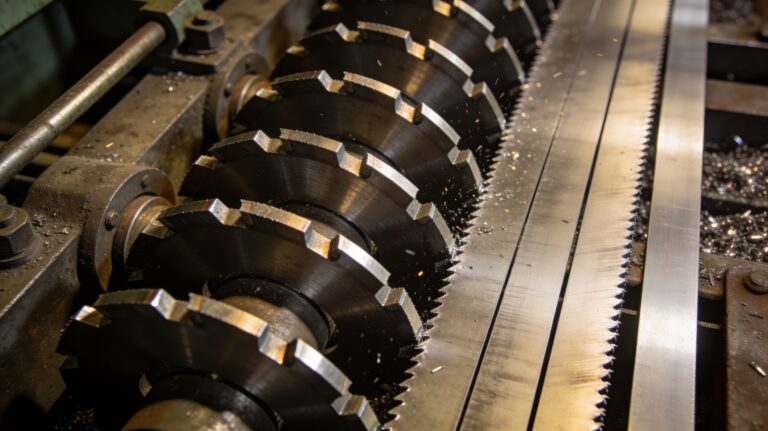
Stage 3: Upgrade Servo Positioning Where Setup Loss Is High
Servo positioning should be prioritized when setup loss, width drift, or first-piece correction is a real constraint. It is not automatically required on every older line. The business case is strongest when the plant runs varied widths, frequent changeovers, or customer programs that punish width instability. This page is a narrow support page for slitting control retrofit staging. It owns only the upgrade sequence: trigger symptoms, PLC/HMI scope, servo handoff, tension and recoiling stages, downtime planning, and acceptance checks. It is not the main advanced slitting control architecture page, not the MA/MD model fit matrix, and not the ROI decision record.
For model and capability alignment, compare the retrofit path against the MA and MD model fit matrix. Sometimes a targeted servo retrofit is enough; other times the line’s mechanical limits make a new MaxDo metal slitting machine the cleaner long-term answer.
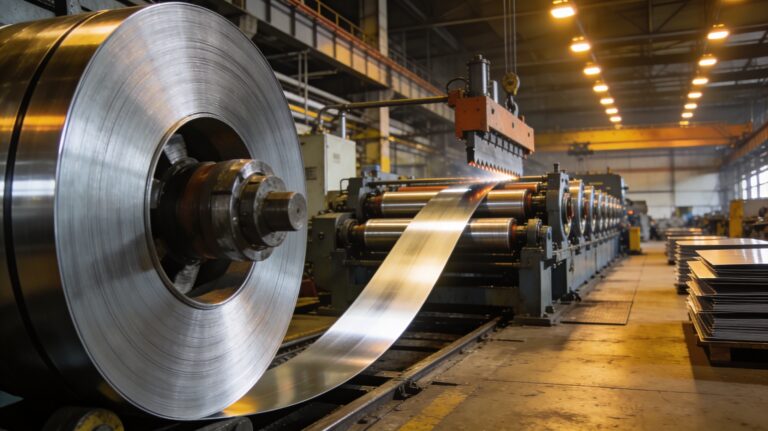
Stage 4: Upgrade Tension and Recoiling Control
Tension and recoiling upgrades should be driven by strip behavior. If operators see deformation, camber, telescoping, edge wave, or unstable winding, the control problem may be downstream of the knife setup. Adding better screens will not solve a strip path that cannot hold stable tension.
Use the guide on how to eliminate material deformation after slitting to identify whether tension, strip path, or recoiling behavior is the main issue. Then decide whether the retrofit should include tension zones, sensors, drive updates, separator changes, or winding-control improvements.
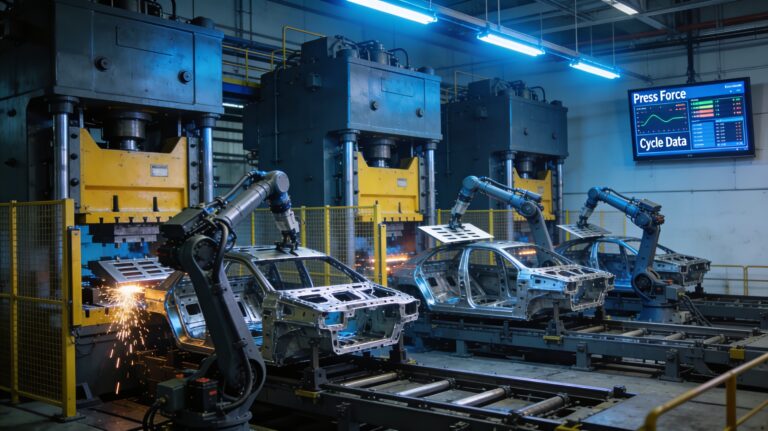
Stage 5: Add Monitoring Before Advanced Analytics
Plants often jump from no visibility to ambitious Industry 4.0 language too quickly. Start with monitoring that operators and managers will actually use: downtime reason codes, setup time, rejected coil events, alarm history, speed trends, and quality hold points. Once the data is reliable, deeper analytics become useful.
For broader digital integration, use the Industry 4.0 in metal processing guide. For implementation sequencing across production lines, use the metal production line automation implementation guide. This retrofit page should stay focused on slitting-line upgrade order and acceptance.
Downtime Planning and Rollback Controls
A control upgrade fails when the line is technically improved but production cannot recover quickly. Plan downtime windows around real production commitments, verify spare parts availability, document old control behavior, and define rollback steps before removing legacy components. The retrofit plan should include a commissioning checklist, not just an installation schedule.
- Record the old control state, signal map, cabinet photos, and critical parameter list.
- Pre-test new screens, PLC logic, recipes, and alarm behavior before plant shutdown.
- Run a controlled startup with one material family before expanding to the full order mix.
- Keep manual recovery procedures available until operators trust the new workflow.
Acceptance Checks After the Upgrade
The upgrade is not finished when the line runs. It is finished when the upgraded controls improve the measured constraint. Define acceptance checks before installation: setup time, first-good-strip rate, width stability, deformation incidents, alarm clarity, operator handoff, and repeat recipe success.
Use the slitting vs blanking quality acceptance guide to frame measurable sign-off criteria, then use the slitting loss-to-payback record to convert the improvement into payback.
If you are planning a control retrofit, share your current PLC/HMI platform, line age, main defects, changeover time, coil width range, and shutdown window through the MaxDo contact form. A useful upgrade plan starts with the bottleneck and stages the control work around production risk.