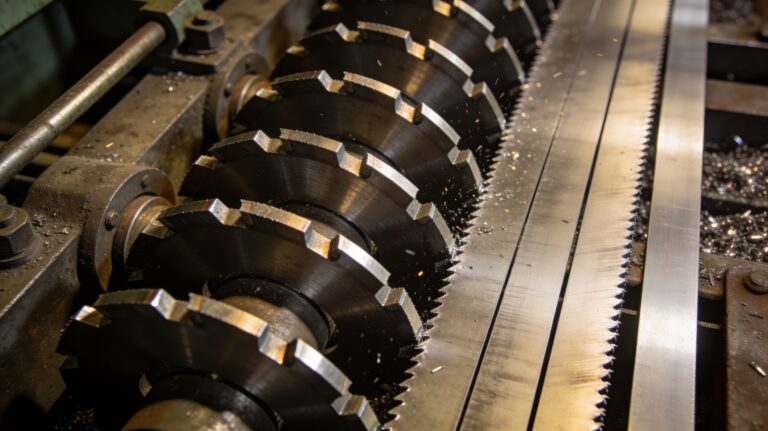



MD-850 HVAC and Appliance Strip Application Matrix
A narrow MD-850 application matrix for HVAC duct strip and appliance panel programs, covering material, width, coating, tolerance, burr, recoiling, model boundary, and RFQ inputs.
The MD-850 slitting line fits projects where the real production question is not only machine size, but whether the 850-class platform matches the strip program. HVAC duct strip, appliance panels, pre-painted coils, galvanized steel, and light stainless programs all need different width, burr, surface, recoiling, and changeover controls.
This page is the MD-850 HVAC and appliance application map in the MaxDo topic network. For the 850-class setup-fit checklist, use MD-850 thin-gauge slitting setup fit. For compact line engineering tradeoffs, use inside the MD-850. This page is a narrow support page for MD-850 HVAC and appliance strip applications. It owns only the application-input layer: material, width, coating, tolerance, burr, recoiling, changeover rhythm, model boundary, and RFQ data. It is not the MA/MD model fit matrix and not the main metal slitting line core page.
Start With the Strip Program
An MD-850 RFQ should begin with the strip program: incoming coil width, finished strip widths, strip count, trim allowance, material grade, thickness range, coating, burr limit, camber limit, finished coil ID/OD, packing method, and downstream process. If this data is missing, the quote may look precise but still miss the production reality.
| Aplicación | Typical strip requirement | RFQ risk to control |
|---|---|---|
| HVAC duct strip | Galvanized or coated steel, repeat widths, seam-forming compatibility | Burr, coating damage, width drift, recoiling stability |
| Appliance panel stock | Pre-painted steel, stainless, film-protected coils, clean edges | Surface marks, micro-tears, edge burr, handling damage |
| Light stainless strip | Higher cutting load, tighter clearance, careful recoiling | Work-hardened edge, blade wear, tension instability |
| Mixed light-gauge service | Frequent strip-width changes and material changes | Setup time, recipe discipline, tooling records |
HVAC Programs Need Repeatable Seam-Ready Strip
HVAC duct programs usually value repeatability more than maximum speed. The strip must feed cleanly into downstream forming, bending, lock forming, or assembly steps. Define acceptable burr height, width tolerance, camber, coating condition, and coil build before sizing the line. For width measurement discipline, use the slitting width tolerance measurement protocol.
If the program includes many gauges or gauge names are unclear, use the gauge thickness RFQ helper to convert commercial gauge language into thickness, grade, and tolerance data.
Appliance Programs Need Surface-Safe Handling
Appliance strip can be easy to cut but difficult to handle. Pre-painted, brushed stainless, coated, or film-protected material may need lower contact pressure, cleaner guides, careful separator setup, and controlled unloading. The RFQ should state whether the visible surface is exposed, protected, or hidden after assembly.
For material-specific intake across steel, stainless, aluminum, and coated coils, use the MD series material compatibility checklist. If material behavior may push the project toward a wider platform, compare MA-1350 before locking the 850-class boundary.
Keep Blade Setup and Tension in the Application Context
Blade setup should be tied to the strip program, not copied from a previous material. Stainless, galvanized, coated, and pre-painted coils can require different clearance, blade condition, separator pressure, and running speed. For detailed knife and arbor preparation, use the slitting line blade setup guide.
Tension and recoiling should also be specified by output. A strip that is dimensionally correct but loose, telescoped, scratched, or hard to unload still fails the job. For shape instability and residual stress symptoms, use the slitting deformation control checklist.
Know When the 850-Class Boundary Is Too Small
The MD-850 is a compact application fit, not a universal answer. If the program needs wider coils, heavier coil weight, frequent upper-thickness running, or future material expansion, compare the next model boundary before purchase. For complete model selection across MA and MD platforms, use the MA and MD slitting machine model fit matrix.
If the plant is still deciding whether it needs slit coils or flat sheets, use the slitting vs CTL order-mix planning matrix. If the main goal is yield improvement, use the slitting scrap process loss map.
MD-850 Application RFQ Checklist
- Application: HVAC duct strip, appliance panel stock, stainless strip, coated strip, or mixed light-gauge service.
- Material: grade, thickness range, coating, surface sensitivity, strength, and protective film requirement.
- Strip program: incoming coil width, finished strip widths, strip count, trim allowance, tolerance, burr, and camber.
- Recoiling: finished coil ID/OD, separator method, coil tightness, unloading, packing, and downstream handling.
- Operation: changeover frequency, inspection method, operator skill, setup records, and acceptance test material.
Route the Project to the Right Equipment Path
After the application data is clear, compare the MA-850 metal slitting machine and the metal slitting machine category. For wider or heavier projects, review MA-1350, MD-1650, and MD-2200.
To request an MD-850 application review, send MaxDo the application, material, thickness, coil width, strip program, tolerance target, surface requirement, recoiling requirement, and changeover pattern through the contact form.