


Custom Light-Gauge Slitting Machine RFQ Intake Checklist
A narrow RFQ intake checklist for custom light-gauge slitting machines, covering coil width, thickness, material, strip program, surface, edge, blade setup, tension, and automation data.
This page is a narrow support page for custom light-gauge slitting RFQ intake. It owns only the RFQ intake layer: coil window, strip program, surface requirement, edge target, blade setup, recoiling, automation boundary, site data, and commissioning target. It is not the main slitting process page and not the slitting vs CTL comparison matrix.
A custom light-gauge slitting machine should be specified from the coil program, not from a generic equipment description. The RFQ needs to define coil width, thickness, material, finished strip widths, surface sensitivity, edge-quality target, blade setup expectations, tension behavior, recoiling method, and automation boundary. Without those inputs, a custom quote can look attractive but miss the real production constraint.
For 850-class fit and setup intake, use the MD-850 thin-gauge slitting setup checklist. For the product entry, review the MA-850 metal slitting machine. This page focuses on customization data: what a buyer should prepare before asking for a light-gauge slitting solution.
Define the Light-Gauge Coil Window
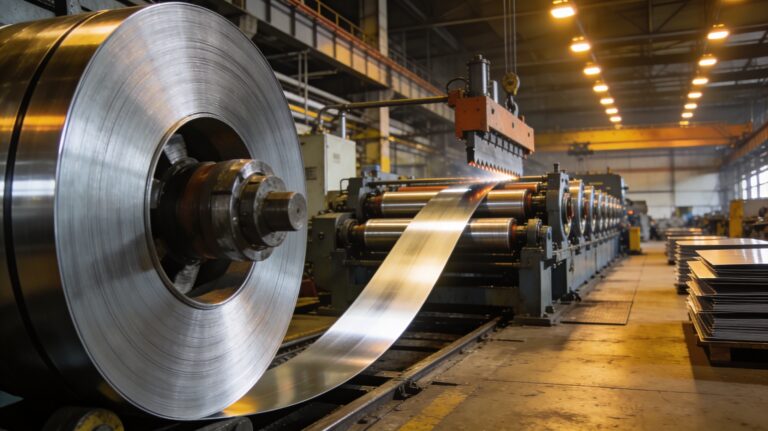
Start with the actual coil window: minimum and maximum coil width, thickness range, material grade, coil weight, coil ID and OD, surface finish, and coating condition. Light-gauge work often fails because surface handling, tension, and recoiling are under-specified, not because the width capacity is unclear.
| RFQ input | Why it matters |
|---|---|
| Coil width and thickness | Confirms whether MA-850 or a wider class should be considered. |
| Material and coating | Defines surface handling, blade setup, and tension sensitivity. |
| Finished strip program | Sets knife count, spacer logic, trim, and separator requirements. |
| Run length and changeovers | Shows whether setup repeatability or maximum speed matters more. |
Specify Strip Program and Edge Quality
Custom slitting decisions depend on the finished strip program. Prepare the number of strips, strip widths, tolerance target, burr expectation, edge condition, trim allowance, and first-piece approval method. If width accuracy is the main requirement, review the metal slitting machine precision width tolerance guide.
Prepare Blade Setup and Material Behavior Data
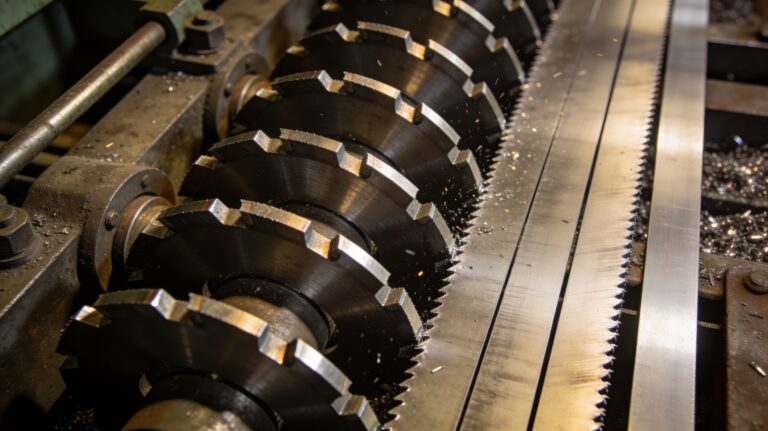
Blade setup should be matched to material behavior. Aluminum, stainless steel, galvanized steel, pre-painted steel, and mild steel can require different clearance, overlap, blade condition, and inspection logic. For detailed setup variables, use the slitting line blade setup guide.
Define Tension, Recoiling, and Handling
Light-gauge strips are sensitive to tension and handling. Define uncoiler tension, loop control, separator type, recoiler tension, finished coil OD, coil build quality, unloading method, packing method, and downstream handling. If the project goal is to reduce scrap, use the slitting line scrap reduction map before finalizing the RFQ.
Choose the Customization Boundary
Customization should have a clear reason. It may involve width class, decoiler capacity, knife shaft design, separator system, recoiler configuration, surface protection, safety guarding, recipe storage, reporting, or remote diagnostics. For control features such as recipes, servo behavior, tension logic, and monitoring, use the advanced slitting line control guide.
Compare Model Boundaries Before Customizing
Not every custom request needs a custom machine. If the coil program fits the 850 class, start with the MA-850 product path. If the project may exceed compact width or capacity limits, compare the MA-1350 metal slitting machine and the full metal slitting machine category.
Custom Light-Gauge Slitting RFQ Checklist
- Coil width, thickness range, material grade, surface finish, and coating condition.
- Finished strip widths, strip count, tolerance, burr, trim, and edge-quality target.
- Blade setup expectations, first-piece approval, and inspection method.
- Tension, separator, recoiling, unloading, packing, and downstream handling requirements.
- Customization reason, automation boundary, site constraints, and commissioning target.
For a broader process comparison, use the metal slitting vs CTL main comparison matrix. To discuss a custom light-gauge slitting machine, send your coil window, strip program, surface requirement, edge target, blade setup, recoiling, automation, and site data through the MaxDo contact form.