


Slitting and Flatbed Wear Parts Trigger Matrix
A slitting and flatbed wear-parts trigger matrix for knives, bearings, rollers, belts, sensors, stripper plates, lubrication, downtime risk, and spare-parts handoff.
Slitting and flatbed wear parts should be managed by replacement triggers, not by vague maintenance advice. A useful wear-parts file tells operators what to inspect, what symptom matters, what production risk appears if the part is ignored, and when the issue should become a planned replacement, a quality hold, or a service escalation.
This page is the wear-parts trigger matrix in the MaxDo maintenance topic network. For broader service boundaries, use the coil processing equipment support evidence matrix. For automation handoff records between slitting, CTL, and downstream flatbed workflows, use the slitting and flatbed automation handoff checklist. This page focuses only on wear-part inspection signals and replacement decisions.
Start With Parts That Change Quality or Uptime
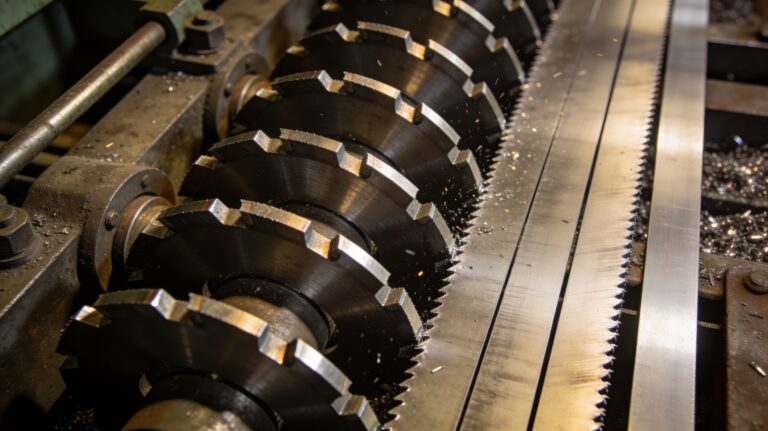
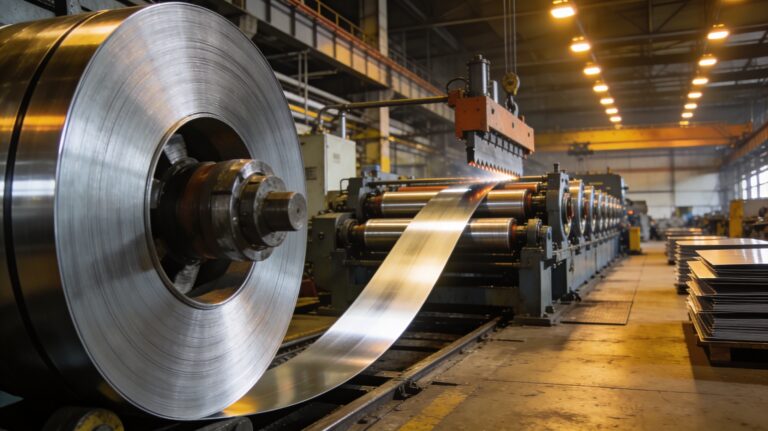
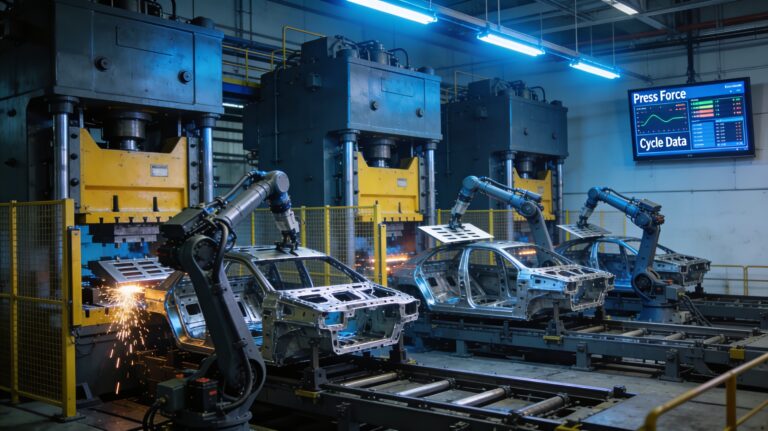
The wear-parts list should be built around failure effect. Slitting lines should track knives, spacers, arbors, bearings, rollers, belts, separators, sensors, guards, lubrication points, and recoiling-related parts. Flatbed or sheet-processing workflows should track shear blades, stripper plates, feed rollers, grippers, belts, guide rails, sensors, clamps, and stacking or unloading parts. Do not treat every component as equal; prioritize parts that change cut quality, strip tracking, safety, or restart time.
| Wear part group | Inspection trigger | Risk if ignored |
|---|---|---|
| Slitter knives and spacers | Burr increase, width drift, edge marks, repeated setup correction | Rejected strip, scrap, downstream feed or weld instability |
| Bearings and arbors | Noise, heat, vibration, runout, inconsistent strip behavior | Unplanned stop, edge quality drift, arbor damage |
| Rollers, belts, and guides | Surface marks, slip, tracking error, feed inconsistency | Material damage, length or width instability, stoppage |
| Flatbed stripper plates and blades | Burr, flange curl, poor ejection, inconsistent blank edge | Part rejection, jam, unsafe manual intervention |
| Sensors and lubrication points | False alarms, missed position, dry points, contamination | Bad handoff records, hidden wear, avoidable downtime |
Separate Inspection Frequency From Replacement Trigger
An inspection schedule says when to look. A replacement trigger says when production risk has become too high. These should be separate records. A knife may be inspected daily but replaced only when burr, width drift, edge damage, or regrind history reaches a defined threshold. A bearing may be checked by temperature or noise but escalated only when trend, vibration, or quality symptoms confirm risk.
If the wear symptom appears as width drift, use the slitting width tolerance measurement protocol. If the symptom appears as wave, camber, recoiling instability, or surface deformation, use the slitting deformation control checklist before replacing parts blindly.
Use Quality Symptoms to Find the Right Part Group
Wear-parts decisions should start from the symptom seen in production. Burr may point to knife condition, clearance, material behavior, or blade setup. Width drift may point to spacers, arbors, guidance, or tension. Sheet ejection issues may point to stripper plates, grippers, belts, or stacking rules. For repeated slit-versus-blanked defects, use the slit vs blanked defect diagnostic protocol.
| Observed symptom | Likely part group to inspect | Record to keep |
|---|---|---|
| Burr or rough slit edge | Knives, clearance, spacers, arbor runout | Material, strip width, knife history, regrind or replacement action |
| Width drift after setup | Spacer stack, arbor, blade wear, guidance, tension | Measurement protocol, sampling points, correction sequence |
| Surface marks or tracking issue | Rollers, guides, belts, sensors, separator path | Photo record, material surface, location, inspected component |
| Flatbed ejection or blank-edge issue | Stripper plate, blade, gripper, feed roller, stacker | Part geometry, blank condition, jam record, replacement decision |
Connect Wear Parts to Setup and Handoff Records
Wear parts often show up during setup or handoff. If a line needs repeated first-piece correction, compare the symptom with the slitting line setup time reduction checklist. If a downstream flatbed cell receives poor sheet or coil data, connect the issue to the automation handoff file instead of treating it as a mechanical part problem only.
A practical trigger matrix should record the job ID, material, output state, inspected part, symptom, operator, decision, replacement owner, spare-part code, and whether production was released, held, or escalated. This keeps maintenance, quality, and production aligned.
Route Wear-Part Planning to Product Families
Wear-parts planning should match the machine family and process burden. Slitting programs should start from the metal slitting machine category. Mid-width service-center programs can review MA-1350, while broader or heavier programs can compare MD-1650 and MD-2200. Sheet-led workflows should use the metal cut-to-length line category, including CT-1350 and CT-1650 when leveling, shearing, and stacking parts drive uptime risk.
Create a Spare-Parts Handoff File
The wear-parts trigger matrix should end with a spare-parts handoff file. Include part name, machine area, part code, replacement trigger, inspection frequency, recommended local stock, lead time, supplier contact, drawing or photo, and whether operator training is needed. This keeps the file practical after commissioning and supports the wider service plan.
To ask MaxDo for a wear-parts trigger review, send machine model, material mix, output state, current symptoms, inspection records, replacement history, downtime events, spare-parts stock, and support questions through the contact form.