



Metal Cut-to-Length Line
MaxDo metal cut-to-length lines convert coils into flat sheets and blanks through decoiling, leveling, NC length control, precision shearing, conveying, and stacking. Use this category as the CTL equipment entry page: it separates compact sheet programs, mid-width service-center output, and wider mixed-width blank production before the buyer opens a model page.
Cut-to-length model selection matrix
Model routeBest-fit production scopeEvidence to confirm before RFQ
CT-850 compact cut-to-length line300-820 mm coils, compact flat sheets, HVAC panels, appliance skins, and small-blank programs.Coil width, thickness, flatness target, length tolerance, shear edge, stack method, site layout, and FAT/SAT records.
CT-1350 mid-width cut-to-length line300-1350 mm coils, panel work, stamping preparation, fabrication blanks, and mid-width sheet programs.Yield strength, sheet length range, surface rule, stack alignment, shear timing, flatness release, and operator handoff.
CT-1650 wide cut-to-length line300-1650 mm coils, wider flat sheets, service-center output, appliance panels, and mixed-width blank programs.Installation space, crane route, safety zone, surface marks, length accuracy, stack release, and SAT acceptance records.
When to start from this CTL category
Start here when the required output is flat sheet or blank, not slit coil. If the buyer is still deciding between slit coil and sheet output, compare the cut-to-length process main page with the slitting process route before selecting a model. For acceptance detail, use the medium-gauge CTL acceptance specification or the heavy-gauge CTL load release matrix.
Application and case evidence
Use delivered project evidence to test whether the model route is realistic. The Poland high-precision CTL case study is useful for flatness and service-center acceptance. The Turkey stainless CTL case study is useful for stainless sheet, surface protection, export delivery, and commissioning support.
CTL category FAQ
Which CTL model should be checked first? Start with CT-850 for compact sheet output, CT-1350 for mid-width sheet programs, and CT-1650 when wider sheet capacity or future mixed-width production matters.
What should be sent with a CTL RFQ? Send coil width, thickness range, material strength, flatness target, sheet length, length tolerance, shear edge requirement, stack method, layout constraints, and FAT/SAT acceptance requirements through the MaxDo contact form.
Why choose us
With over 15 years of experience in steel processing equipment, MaxDo Supply Chain has delivered 500+ successful installations across 30+ countries. Our ISO-certified manufacturing ensures the highest quality standards.
Certifications: CE Marked | ISO 9001:2015 | Industry 4.0 Ready
01
Superior Cutting Performance
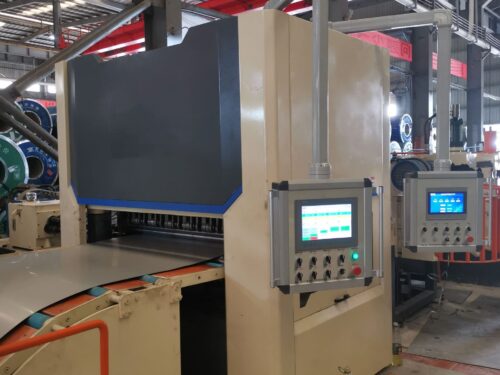
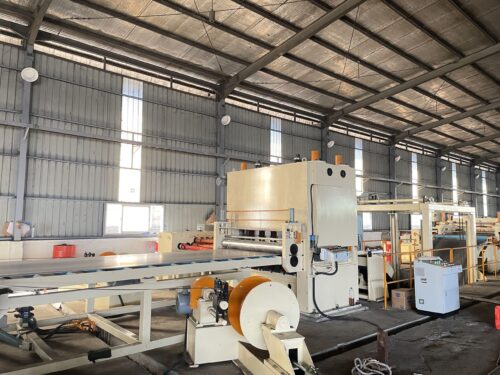
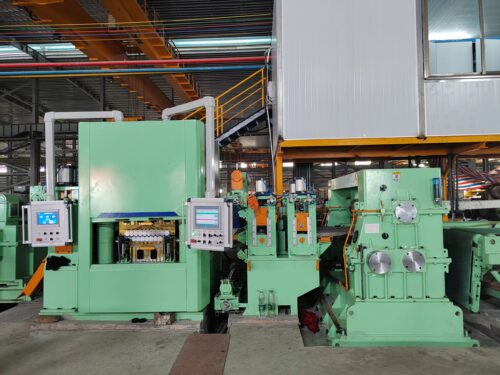
State-of-the-art roller leveling and stick cutting technology ensuring precise material processing with minimal waste and maximum throughput efficiency.
02
Scalable Solutions Portfolio
Four model series (850, 1350, 1650, 2200) designed to match your production capacity, from small workshops to large-scale industrial operations.
03
Trusted Partnership Approach
Direct manufacturer support with comprehensive technical consultation, installation guidance, and ongoing maintenance services for long-term operational success.


Poland High-Precision CTL Line Case Study
May 13, 2026

Mexico Bathroom Hardware Tube Mill Case Study
May 13, 2026
What is a metal cut to length line?
A metal cut to length line is an industrial machine that automatically uncoils, straightens, measures, and cuts metal coils into precise flat sheets of specified lengths. It's essential for steel processing and manufacturing operations.
What materials can be processed by cut to length machines?
Cut to length lines can process various metals including steel, aluminum, stainless steel, copper, and other metal coils with different thicknesses and widths, typically ranging from 0.5mm to 16mm thickness.
What are the main advantages of using a cut to length line?
Key benefits include high precision cutting accuracy, increased production efficiency, reduced material waste, consistent sheet quality, and automated operation that minimizes manual labor requirements.