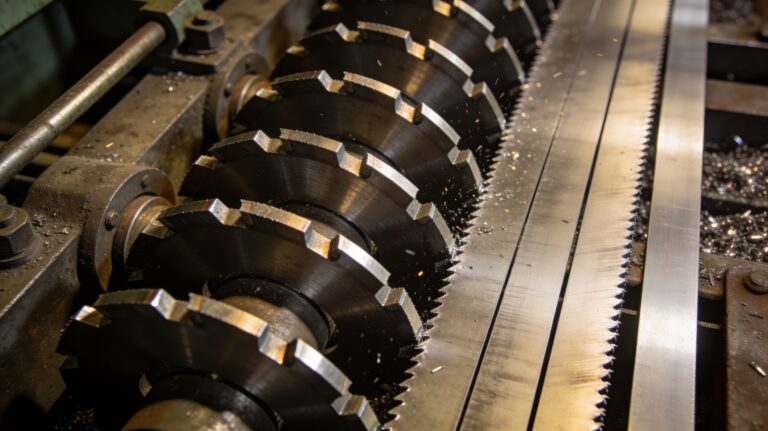



CTL Precision Acceptance Evidence Checklist
A CTL precision acceptance evidence checklist for length accuracy, flatness, squareness, shear edge, servo feed, leveler, stacking, FAT/SAT records, and CT model routing.
CTL precision should be accepted with measured evidence, not with a general claim about engineering accuracy. A buyer should define the sheet length target, tolerance band, flatness condition, squareness method, shear-edge requirement, stack quality, sample count, test speed, material condition, and correction rule before accepting a cut-to-length line.
This page is the CTL precision acceptance evidence checklist in the MaxDo topic network. For the station-by-station process, use the cut-to-length process station acceptance map. For the first buyer scope before RFQ, use the CTL buyer first-scope checklist. For engineering handoff details, use the CTL engineering handoff checklist. This page focuses only on proof that the finished sheets meet the agreed precision requirements.
Turn Precision Into Measurable Sheet Outputs
The acceptance file should describe the finished sheet, not only the machine. Record sheet length families, width, material grade, thickness, yield strength, coating, target tolerance, surface requirement, downstream use, and stacking format. Precision is not complete until length, flatness, squareness, edge condition, and stack presentation are all defined.
| Precision field | Evidence to collect | Acceptance risk if missing |
|---|---|---|
| Length accuracy | Measured sheets across length families, speeds, and material conditions | One sample passes while production variation remains hidden |
| Flatness | Agreed measurement method before and after leveling | Length is correct but sheets fail downstream forming or stacking |
| Squareness | Diagonal measurement on agreed sheet sizes | Parts misalign during fabrication or automated loading |
| Stack quality | Alignment, sheet release, surface condition, and handling route | Good cutting is lost during conveyor or stacker transfer |
Prove Length Accuracy With Feed and Shear Records
Length evidence should connect the programmed value to measured sheets. The test should record programmed length, actual length, material thickness, coil condition, speed, feed acceleration, encoder feedback, shear timing, sample count, and whether the error repeats at certain length families. A useful acceptance record shows the correction path if measurement drifts.
For servo feed and encoder control evidence, use the servo roll feed controller acceptance checklist. If the plant needs broader production records, connect this layer to the automated metal processing system map.
Separate Flatness From Length Accuracy
A sheet can be cut to the correct length and still fail because of coil set, crossbow, edge wave, surface damage, or poor leveling setup. The acceptance plan should define the incoming coil condition, leveler settings, roller condition, target flatness method, sample position, and whether the test covers the real thickness and strength range.
Use the light vs medium gauge CTL selection boundary when flatness expectations change by material burden. If the RFQ still uses gauge numbers, convert them with the gauge thickness chart.
Check Squareness, Shear Edge, and Burr Together
Squareness and edge quality should be tested with the same discipline as length. Record diagonal measurement, feed alignment, shear alignment, blade condition, clearance, material grade, burr limit, and retest rule. If a sheet passes length but fails diagonal or burr checks, the issue belongs in the precision closeout record, not in a generic quality note.
- Measure diagonals on the agreed sheet sizes and record the allowed difference.
- Inspect burr, shear edge, blade condition, and material-specific clearance.
- Repeat checks after speed changes, material changes, or shear adjustment.
Make Stacking Part of Precision Acceptance
CTL precision reaches the customer as a stack of usable sheets. The acceptance plan should record conveyor timing, sheet release, stacker alignment, static or surface-friction risk, stack height, pallet or table format, surface protection, and the route from stacker to downstream handling. Stack quality should be judged under the same material and speed conditions as length accuracy.
Build FAT and SAT Around the Same Precision File
FAT should prove the precision file before shipment. SAT should repeat the same file on site with the buyer’s utilities, operators, coil handling route, and real material. Each deviation should include measured value, allowed value, likely cause, owner, correction method, retest sample size, and final sign-off.
| Acceptance stage | Must include | Closeout rule |
|---|---|---|
| FAT | Length, flatness, squareness, shear edge, stack samples, agreed material or equivalent | Shipment only after deviations have owners and retest evidence |
| SAT | Same checks with site utilities, operators, handling route, and production conditions | Final sign-off only after repeated samples are inside tolerance |
| Production release | Operator record, setup data, correction rule, sample archive | Quality and production both accept the measurement method |
Connect Precision Evidence to CTL Model Routing
After the precision file is complete, route the project through the metal cut-to-length line category. Narrow or lighter sheet programs can begin with Cutlength-850. Mid-width CTL projects can compare CT-1350. Wider or heavier precision programs should evaluate CT-1650 against the same length, flatness, squareness, and stack evidence file.
If the team is still deciding whether the project needs sheets or slit coils, use the slitting vs CTL ROI decision record before finalizing the precision test plan. To ask MaxDo for a CTL precision review, send the sheet program, material range, length tolerance, flatness method, squareness rule, stack requirement, FAT/SAT plan, and preferred CT model boundary through the contact form.