


Slitting and CTL Operating Cost Evidence Matrix
A slitting and CTL operating cost evidence matrix for separating energy load, idle time, setup loss, scrap, wear parts, downtime, safety holds, and product-route records before an RFQ.
Operating cost for a slitting line or cut-to-length line should be accepted with records, not with broad energy-saving feature claims. A buyer may hear about VFDs, efficient motors, servo controls, and monitoring dashboards, but those features only matter when the factory can connect them to energy load, idle time, setup loss, scrap, wear parts, downtime, and safety holds.
This page is the operating cost evidence matrix in the MaxDo topic network. For financial payback and ROI framing, use the slitting line ROI page. For material yield and scrap mechanics, use the slitting scrap loss process map. For data architecture, use the Industry 4.0 metal processing architecture page. For implementation work, use the metal production line automation execution plan. This page focuses only on what evidence must be collected before operating-cost claims are trusted.
Build the Operating Cost Evidence File
The evidence file should separate measurable cost fields before the supplier, buyer, and plant team discuss savings. If every loss is described as energy cost, the project can miss the real constraint. Many factories lose more money through setup correction, rejected strip, unstable stacking, unplanned downtime, or repeated manual inspection than through motor efficiency alone.
| Cost field | Record needed | Risk if vague |
|---|---|---|
| Energy load | kWh by production state: acceleration, steady run, idle, restart, and standby | Energy claims cannot be tied to real operating conditions |
| Idle time | Waiting time before coil loading, setup release, inspection, unloading, and job change | The line looks efficient on paper but sits unused in practice |
| Setup loss | First-piece correction count, setup minutes, recipe changes, and operator intervention | Short jobs become expensive even when line speed is high |
| Scrap and rework | Rejected strip or sheet weight, defect reason, station, correction, and customer rule | Yield loss is hidden inside production volume |
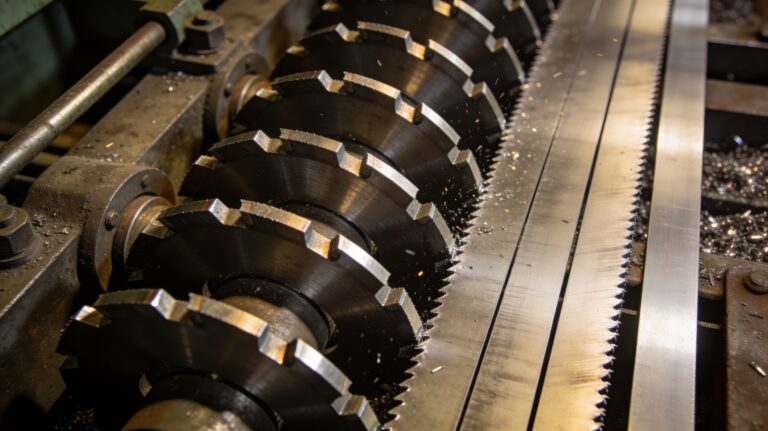
| Wear parts | Blade, belt, roller, guide, bearing, hydraulic, and electrical replacement records | Maintenance cost is underestimated before purchase |
| Downtime | Fault code, stop duration, root cause, recovery action, and support response | Availability claims cannot be verified after installation |
| Safety holds | Interlock, guarding, emergency stop, alarm, restart, and release records | Safety interruptions are treated as operator delay instead of system evidence |
Separate Energy Load From Production Loss
Energy load is one layer of operating cost. It should be measured by line state, material thickness, coil weight, run speed, and production route. A heavier coil program, frequent starts, unstable tension, and long standby time can all change the energy profile. The evidence question is not whether the line has efficient components; the question is whether those components reduce cost in the buyer’s real duty cycle.
Production loss should be measured separately from energy. Scrap, rework, setup loss, strip edge defects, sheet flatness rejects, and stacking correction belong in their own records. When a supplier combines every benefit into one savings claim, the buyer cannot see which machine function protects which cost field. Use the scrap process map for material-yield mechanisms, then return to this matrix to record the cost evidence.
Capture Machine Signals Without Turning This Into an Industry 4.0 Page
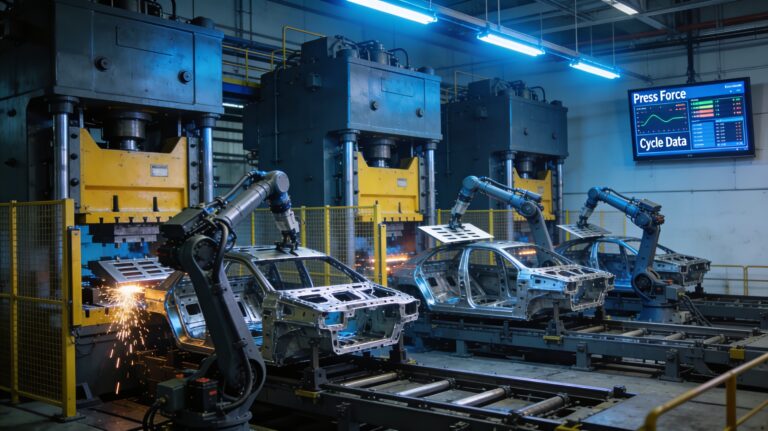
The operating cost evidence file can use machine signals without becoming a full digital-transformation plan. Useful signals include drive load, line speed, feed length, tension status, alarm codes, recipe changes, stop duration, operator release, and inspection result. These signals should support cost evidence, not create a dashboard that nobody uses in production review.
If the plant needs system architecture, PLC/HMI integration, data routing, traceability, or MES connection, use the Industry 4.0 architecture page. If the plant needs the execution sequence for sensors, recipes, alarm rules, operator permissions, and commissioning, use the automation implementation plan. This page stays narrower: it defines which records prove operating cost before and after a line change.
Connect Wear Parts, Maintenance, and Downtime
Wear parts should not be treated as a spare-parts list only. Blades, belts, guides, rollers, bearings, hydraulic seals, electrical components, and safety devices all affect operating cost when replacement intervals, downtime, and quality drift are recorded. Use the slitting and flatbed wear parts trigger matrix to define the replacement logic.
Support evidence matters when downtime becomes expensive. A buyer should define which faults can be handled by the local team, which require remote diagnosis, which require spare parts, and which require supplier intervention. Use the coil processing equipment support evidence matrix to connect training, documentation, parts, warranty, and service response to the operating cost file.
Add Safety Holds to the Cost Record
Safety interruptions should be recorded with the same discipline as production stops. Emergency stops, guarding alarms, interlock releases, restart rules, light curtain events, and operator access points can affect line availability. The goal is not to reduce safety controls. The goal is to separate planned safety behavior from avoidable nuisance stops, poor release logic, unclear HMI prompts, or weak operator training.
For acceptance wording around guarding, interlocks, alarm release, restart procedure, and operator protection, use the metal processing safety acceptance matrix. Then bring the safety-stop evidence back into the operating cost file so uptime claims and safety claims do not contradict each other.
Route Cost Evidence to Product Families
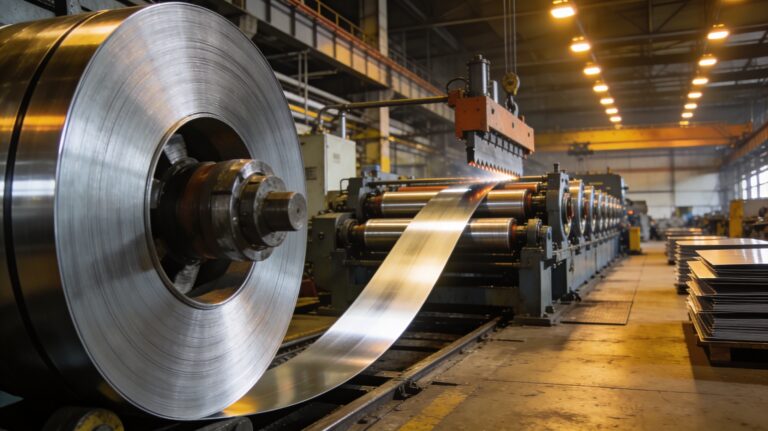
Operating cost evidence should lead to the right product family. If the finished product is narrow strip or slit coil, start with the metal slitting machine category. If the finished product is flat sheet, start with the metal cut-to-length line category. The cost record should describe material width, thickness, strength, coil weight, output format, shift plan, setup frequency, quality rule, and expected inspection burden before model comparison begins.
| Route | Model evidence to compare | Cost evidence to attach |
|---|---|---|
| Mid-width slitting | MD-1650 metal slitting machine | Setup loss, strip tolerance, recoiling quality, wear parts, and idle time |
| Wide/heavier slitting | MD-2200 metal slitting machine | Coil handling burden, tension stability, downtime risk, and support response |
| Mid-width CTL | CT-1350 cut-to-length line | Feed accuracy, leveling correction, shear timing, stacking correction, and inspection hold |
| Wider CTL | CT-1650 cut-to-length line | Material mix, flatness target, sheet length range, stacking method, and downtime record |
Operating Cost Evidence Checklist
- Material file: coil width, thickness range, strength, grade, surface condition, coil weight, and output format.
- Energy record: kWh by line state, run speed, material type, standby time, restart cycle, and production route.
- Loss record: idle time, setup loss, scrap weight, rework reason, first-piece correction, and inspection hold.
- Maintenance record: wear parts interval, stop duration, fault code, recovery action, spare-part availability, and support route.
- Safety record: emergency stop, interlock, guarding alarm, release action, restart rule, and operator training note.
- RFQ record: product family, model boundary, acceptance metric, FAT/SAT evidence, warranty expectation, and response-time requirement.
To ask MaxDo for a slitting or CTL operating cost review, send the material file, current loss records, target output, shift plan, expected product family, acceptance metrics, maintenance history, safety-stop records, and support requirements through the contact form.