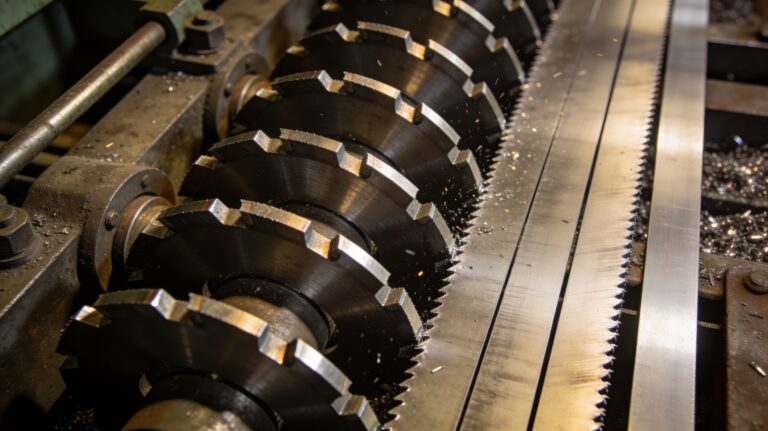



CTL vs Slitting Output Acceptance Matrix
An output acceptance matrix for CTL vs slitting projects, focused only on slit coil, flat sheet, blank, or mixed-output release criteria before equipment routing.
A CTL vs slitting decision should not be accepted until the buyer defines the output state. A project can require narrow recoiled strip, flat sheet, cut blanks, or a mixed flow that routes some coils to slitting and others to CTL. This page is the output acceptance matrix in the MaxDo topic network. It does not repeat the full process comparison, material routing, order-mix planning, or ROI record.
For the main equipment comparison, use the metal slitting vs CTL core page. For production planning by order family, use the slitting vs CTL order-mix planning page. For aluminum, stainless, and mild-steel risk routing, use the slitting vs CTL material-risk checklist. This page focuses only on what the finished output must look like before the line choice is released.
Declare the Accepted Output Before Selecting Equipment
The accepted output should be written in buyer language: slit coil, leveled sheet, blank, or mixed output. If the buyer only says “coil processing line,” the specification stays too broad. Output format controls the inspection method, the handling route, the downstream process, the packing method, and the product page that should be reviewed next.
| Accepted output | Release evidence | Likely route |
|---|---|---|
| Slit coil or narrow strip | Strip width, burr, camber, edge condition, separator setup, coil build, recoiling tension | Slitting line |
| Flat sheet | Length, flatness, squareness, surface condition, stack alignment, sheet handling method | Cut-to-length line |
| Blank for fabrication or press work | Length window, edge quality, sheet release, stacking, bundle weight, downstream loading method | CTL or blanking-led flow |
| Mixed strip and sheet flow | Order-family split, changeover rhythm, coil staging, inspection handoff, product routing rules | Separate or staged slitting and CTL flows |
Use Slit-Coil Criteria When the Next Operation Needs Strip
Slitting-led projects should be accepted by strip behavior, not by general line speed. The buyer should define finished strip width, width tolerance, burr limit, edge condition, camber, coil build, separator method, recoiling tension, and packing route. These criteria matter when the next operation is roll forming, tube making, strip-fed stamping, narrow-width blanking, or repeated service-center strip supply.
When slit coil is the accepted output, compare the metal slitting machine category and model routes such as MD-1650 or MD-2200. For the process sequence behind these criteria, use the metal slitting line process page.
Use Sheet Criteria When the Next Operation Needs Flat Stock
CTL-led projects should be accepted by sheet release criteria. The buyer should define finished length, length tolerance, flatness target, squareness, surface condition, stack alignment, bundle weight, first-sheet inspection, last-sheet inspection, and the downstream loading method. A sheet project can fail even when the line cuts correctly if leveling, stacking, or handling does not match the next operation.
When flat sheet or blank output is accepted, compare the metal cut-to-length line category and CTL model routes such as CT-1350 or CT-1650. For station-level process checks, use the cut-to-length process page.
Separate Mixed Output From Mixed Intent
Mixed output is valid when the buyer has real strip and sheet order families. Mixed intent is different: it happens when the buyer has not yet decided what customers will receive. Do not let mixed intent become one oversized RFQ. Split demand by monthly tonnage, output form, thickness range, width range, surface requirement, downstream operation, packing method, and delivery schedule.
For the route from master coil to output family, use the sheet metal coil processing workflow page. For service, spare parts, training, warranty, and commissioning evidence after the route is chosen, use the coil processing equipment support evidence matrix.
Output Acceptance Worksheet
- Output state: slit coil, narrow strip, flat sheet, blank, or mixed flow.
- Inspection target: width, length, flatness, squareness, burr, camber, surface, coil build, or stack alignment.
- Downstream operation: tube mill, roll former, strip-fed press, laser cutting, fabrication, panel line, press work, or customer stock.
- Handling route: recoiling, separator setup, packing, sheet transfer, stacking, bundle weight, warehouse flow, and shipment method.
- Evidence needed: sample run, FAT/SAT record, first-piece inspection, repeat-order record, or product support file.
To ask MaxDo to review an output decision, send the accepted output state, material grade, thickness, master coil width, finished strip width or sheet length, tolerance target, surface requirement, downstream operation, monthly order split, handling route, and release evidence through the contact form.